Donald Trump doesn’t do subtlety. He never has. But his latest social media move—posting an AI-generated image of himself as a Jesus-like healer—is a massive escalation, even for him. This isn't just a politician sharing a meme. It’s a deliberate, high-stakes collision between the White House, the Vatican, and the very definition of modern political branding.
If you’re wondering why your feed is currently a battlefield of "blasphemy" accusations and "God bless Trump" comments, it’s because the timing was surgical. The image dropped on Truth Social late Sunday night, April 12, 2026. This was exactly 40 minutes after Trump launched a blistering attack on Pope Leo XIV. In the post, the President called the Chicago-born Pope “weak on crime” and "terrible for Foreign Policy." Read more on a similar issue: this related article.
The contrast is jarring. You’ve got the leader of the free world attacking the head of the Catholic Church one minute, and the next, he’s sharing a digital painting where he’s literally laying hands on the sick while bathed in celestial light. It's bold. It's weird. And it's working exactly how he wants it to.
The Image That Broke the Internet
Let’s look at the actual picture because the details are wild. It’s an AI-generated scene that looks like a cross between a Renaissance painting and a Michael Bay movie poster. Trump is wearing flowing white and red robes. He’s got a glowing orb in one hand—an ancient symbol of authority—and he’s touching the forehead of a man in a hospital bed. Further reporting by Associated Press explores related views on the subject.
The background is a fever dream of American and religious iconography:
- The Statue of Liberty and the Lincoln Memorial.
- Fighter jets and bald eagles.
- Fireworks and billowing American flags.
- A nurse, a soldier, and a man in an ICE uniform all looking on in awe.
It’s meant to evoke the raising of Lazarus, but with a "Made in the USA" sticker slapped on the side. When reporters asked him about it outside the Oval Office on Monday, Trump gave a classic Trump answer. He claimed he thought he was a "doctor" in the image and that it was related to the Red Cross.
"I make people a lot better," he told the press. It’s a hilarious pivot, honestly. No doctor I know wears a red sash and holds a magic glowing orb, but that’s the story he’s sticking to.
Breaking Down the Feud with Pope Leo XIV
This isn't just about a picture. This is a war of philosophies. Pope Leo XIV has been a thorn in this administration’s side for months. He’s the first American-born Pope, and he’s used that platform to slam the U.S.-Israeli war against Iran. He’s called the violence "absurd and inhumane."
Trump’s response? He basically told the Pope to stay in his lane.
"Leo should get his act together as Pope, use Common Sense, stop catering to the Radical Left, and focus on being a Great Pope, not a Politician."
That’s a direct quote from his Truth Social screed. For a President who won 55% of the Catholic vote in 2024, this is a dangerous game. He’s betting that his base cares more about his "America First" policy than they do about the Vatican’s calls for peace.
Pope Leo isn’t backing down, though. He told reporters in Algiers that he has "no fear" of the Trump administration. He’s doubling down on the Gospel message of peace, which is currently at odds with the White House’s more hawkish stance in the Middle East.
Why Even the Religious Right is Cringing
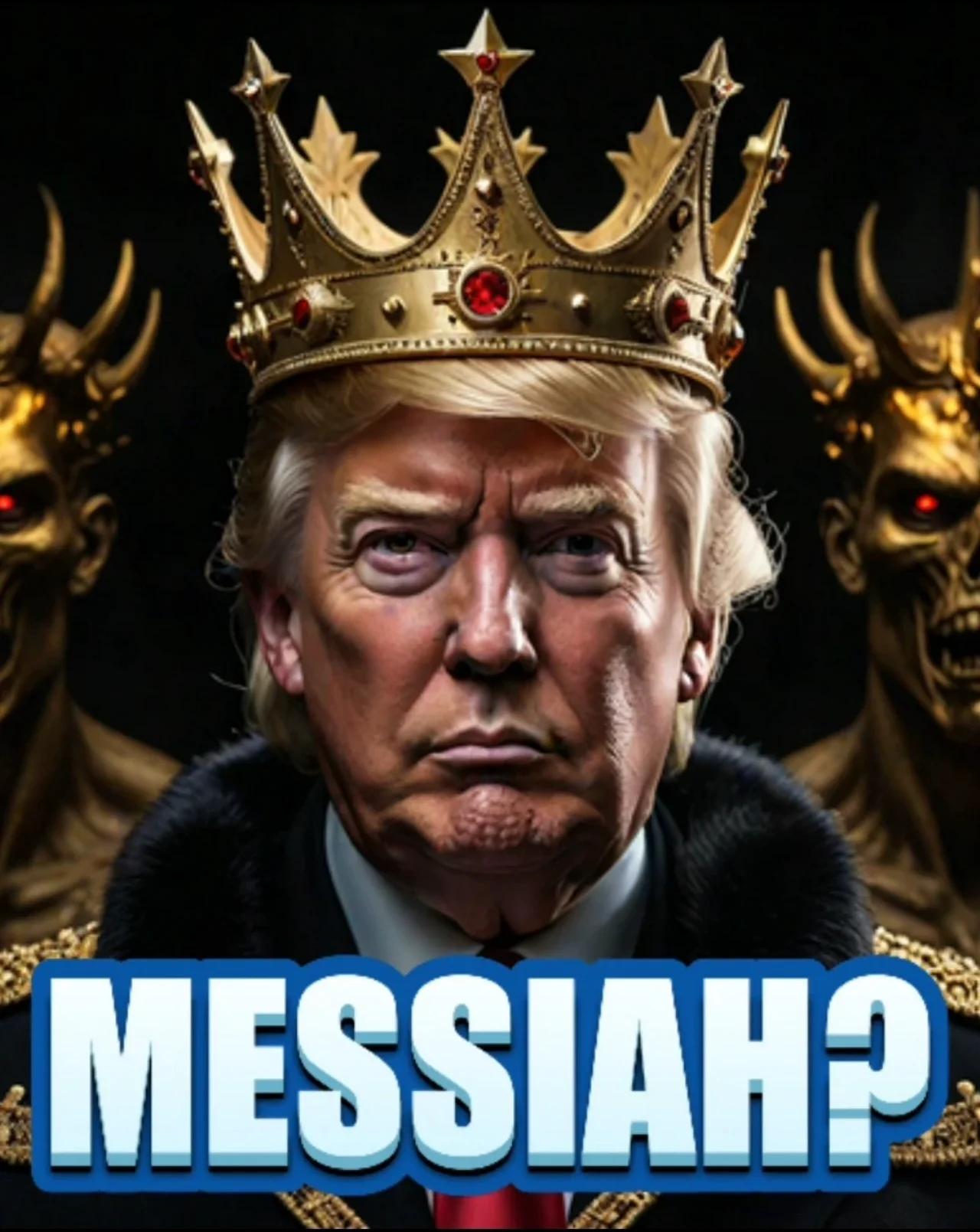
Usually, Trump’s base is a brick wall. Nothing gets through. But this time, the "Messiah" imagery is causing some cracks. Brilyn Hollyhand, a big name in the RNC Youth Advisory Council, called it "gross blasphemy." Riley Gaines, who is usually a staunch ally, posted that "God shall not be mocked."
The problem for many Christians is that this crosses a line from "God’s chosen leader" to "God himself." Using sacred imagery to score political points against the Pope is a bridge too far for those who take their theology seriously.
But here’s the thing: Trump knows exactly what he’s doing. He’s forcing people to choose. You’re either with the "weak" Pope who wants peace at any cost, or you’re with the "strong" leader who (at least in his own AI images) has the power to heal the nation.
The Strategy Behind the AI Aesthetic
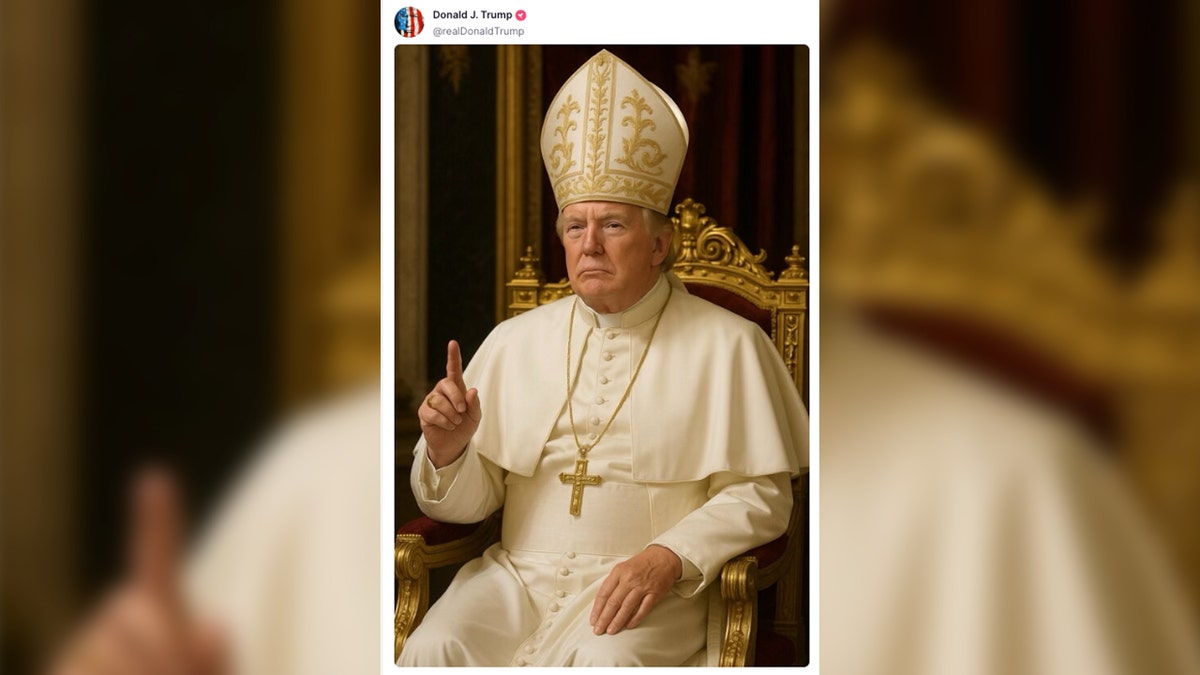
We’ve seen this before. In 2025, after Pope Francis passed away, Trump posted an image of himself as the Pontiff. Earlier that year, he shared a photo of himself wearing a crown. He’s using AI to create a visual mythology.
AI tools allow his team to churn out these images in seconds. They’re designed to go viral. They’re designed to be "cringey" to the media but "inspirational" to a specific segment of his followers. It’s a way to bypass traditional media and talk directly to the subconscious of his supporters.
Think about it. If you see enough images of Trump surrounded by eagles and light, that becomes the "vibe" of his presidency, regardless of the policy reality. It’s branding on steroids.
What Happens When You Fight the Church
Historically, fighting the Pope is a bad move for any Western leader. But 2026 isn't a normal historical moment. The "MAGA" movement has its own religious flavor now. Some supporters see the Pope as a "globalist" and Trump as the true defender of Christian values.
If you’re trying to make sense of this, don't look for logic. Look for the emotion. Trump is signaling that he is the ultimate authority—not just politically, but spiritually. By deleting the post Monday morning after the backlash, he’s playing the "just a joke" or "I was misunderstood" card, but the message was already sent.
Pay Attention to These Shifts
If you want to track how this actually impacts the political landscape, keep an eye on these specific indicators over the next few weeks:
- Catholic Polling: Watch if Trump's support among suburban Catholics dips. That's where he's most vulnerable.
- Vatican Statements: See if the Pope gets more specific in his criticisms. If he calls out the U.S. by name, it’s a full-on diplomatic crisis.
- Evangelical Leaders: Watch the big-name pastors. If they start distancing themselves from the "Messiah" imagery, Trump might have to actually tone it down.
Don't expect an apology. That’s not in the playbook. Expect more AI images, more attacks on "liberal" religious leaders, and more blurring of the line between church and state. It's the new normal.
If you’re following this closely, start looking at the sources of these AI images. Most of them are coming from high-profile influencers before they hit Trump’s feed. Understanding where the "myth" starts tells you a lot more about where it’s going than the official White House press releases ever will.