The smell of ozone and charred plastic usually fades within a week. But for the people living near the industrial heart of Tai Po, the scent of the fire that tore through a local recycling site lingered like an unwanted ghost. It wasn't just the smoke. It was the sudden, jarring realization that the infrastructure of their lives was more fragile than they had ever dared to imagine.
Money is a strange way to measure a disaster. We talk in figures because the human heart is too messy for a balance sheet. HK$34 million. That is the price tag the Hong Kong government eventually attached to the recovery works following the massive blaze that crippled the area. To a bureaucrat, it’s a line item in a budget. To the people on the ground, it’s the cost of putting a broken world back together, one scorched beam at a time.
The Night the Sky Turned Orange
Imagine a warehouse worker—let's call him Ah-Wong. He’s spent twenty years in the New Territories, watching the skyline shift and the traffic thicken. One evening, he’s finishing a shift when the sirens begin. They don’t stop. The fire at the Tai Po site wasn’t a small flick of a flame; it was a roaring, hungry beast that fed on years of accumulated scrap and industrial waste.
The heat was so intense it warped the metal of nearby structures. By the time the last embers were extinguished, the site was a skeletal ruin. The immediate danger was gone, but a new, quieter crisis was just beginning. The fire hadn't just burned a building; it had poisoned the ground and compromised the safety of the very earth the community stood upon.
This is where the HK$34 million starts to make sense. It wasn’t spent on gold leaf or luxury. It was spent on the invisible labor of safety.
The Anatomy of a Recovery
When the smoke cleared, the authorities faced a landscape that looked like a war zone. You cannot simply sweep up the ash and move on. The recovery works involved a painstaking process of stabilization. Think of it like performing surgery on a city.
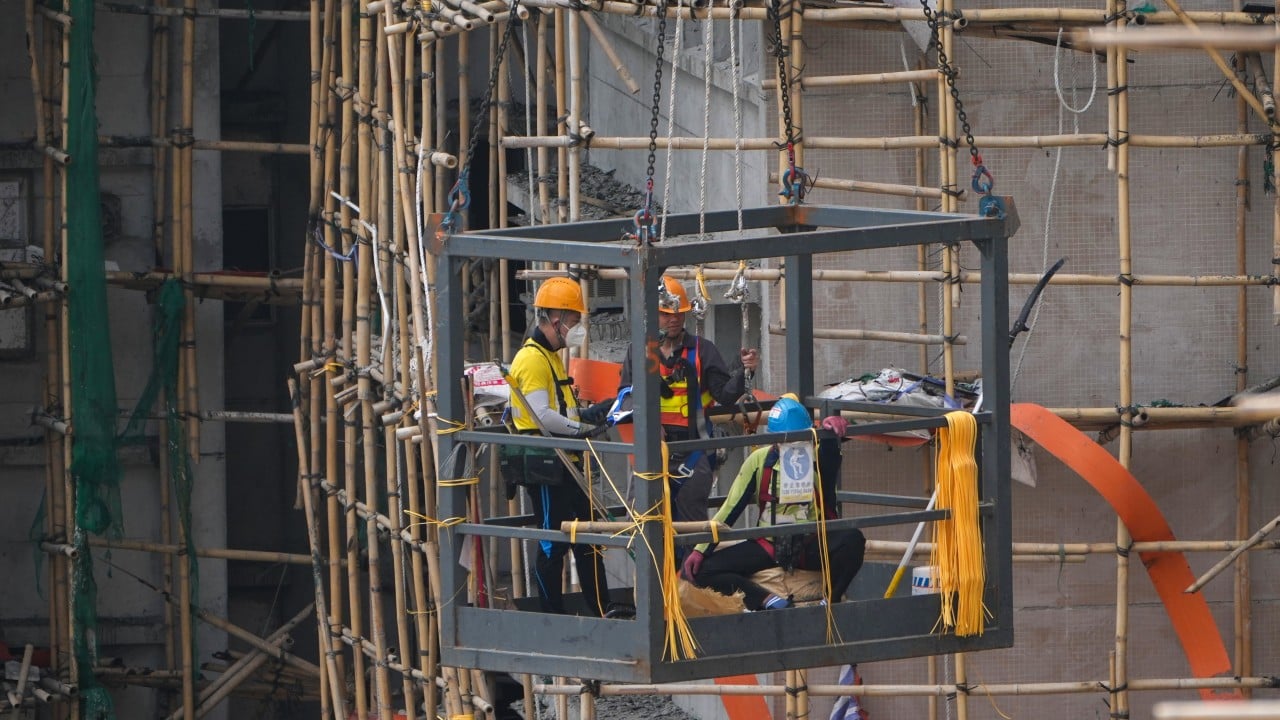
The first priority was structural integrity. The fire had compromised the slope stability around the site. In a city like Hong Kong, where the terrain is a vertical challenge and the rains are relentless, a weakened slope is a death sentence for the road below. Engineers had to move in, not with paintbrushes, but with steel and concrete. They had to stitch the earth back together.
Then there was the waste. This wasn't household trash. This was the toxic residue of an industrial inferno. Disposing of it required specialized handling, the kind of technical precision that costs more than any standard demolition. Every truckload of debris hauled away from Tai Po carried with it a piece of the community’s collective trauma, and a significant chunk of that HK$34 million.
Why We Pay for What We Cannot See
It is easy to grumble about government spending. We see the road closures, the construction barriers, and the slow pace of progress, and we wonder where the money goes. But consider the alternative.
If that HK$34 million hadn't been spent, the "scar" of the fire would have festered. The next heavy typhoon could have triggered a landslide. The chemical runoff could have seeped deeper into the local water table. We pay these astronomical sums to buy back the normalcy we took for granted the day before the fire started.
There is a psychological cost to a landscape of ruin. When a neighborhood is left with a charred hole in its center, the spirit of the place begins to erode. People stop walking those streets. Businesses feel the chill. By investing in the recovery of the Tai Po site, the authorities were essentially performing a massive act of urban therapy. They were proving that the city would not leave its wounds open to the air.
The Hidden Stakes of Industrial Life
We live in a world of consumption, which means we live in a world of waste. The Tai Po fire was a symptom of a much larger machine. We want our electronics, our plastic conveniences, and our rapid turnover of goods, but we rarely want to think about where those things go when they die.
Recycling sites are the kidneys of our city. They filter the waste of our modern existence. When one of them fails—when it catches fire and costs tens of millions to clean up—it is a reminder that our lifestyle has a back-end cost we rarely see on a receipt. The HK$34 million is a late fee. It is the interest we pay on a debt of industrial management that we ignored until it literally went up in flames.
The Texture of Restoration
Walk through Tai Po today and the chaos of the fire feels like a distant memory. The barricades are mostly gone. The heavy machinery has moved on to the next project. The hillsides are reinforced, silent sentinels protecting the roads.
But if you look closely at the soil, or the way the new concrete meets the old stone, you can see the stitches. The recovery work wasn't about making the site "new" again. You can never truly go back. It was about making it safe. It was about ensuring that the next time Ah-Wong walks home from his shift, he doesn't have to look at the sky and wonder if it’s about to turn orange again.
The true value of that HK$34 million isn't found in a ledger. It’s found in the quiet, mundane safety of a Tuesday afternoon where nothing goes wrong. We spend millions to prevent the unthinkable, and when we succeed, the result is so boring we almost forget why we spent the money in the first place.
That boredom is the ultimate luxury.
It is the sound of a city that has healed its own skin, even if the nerves underneath still remember the heat. The scar remains, hidden beneath layers of reinforced earth and civic duty, a permanent reminder that the price of our safety is a constant, expensive, and deeply human endeavor.
The smoke is gone. The bill is paid. The city breathes out, and for a moment, the air is clear.