The Shelby Myth is a Financial Fairy Tale
Most fans watch Cillian Murphy walk through a shower of sparks in slow motion and think they are witnessing a masterclass in early 20th-century vertical integration. They think Tommy Shelby is the prototype for the modern disruptive CEO.
They are wrong.
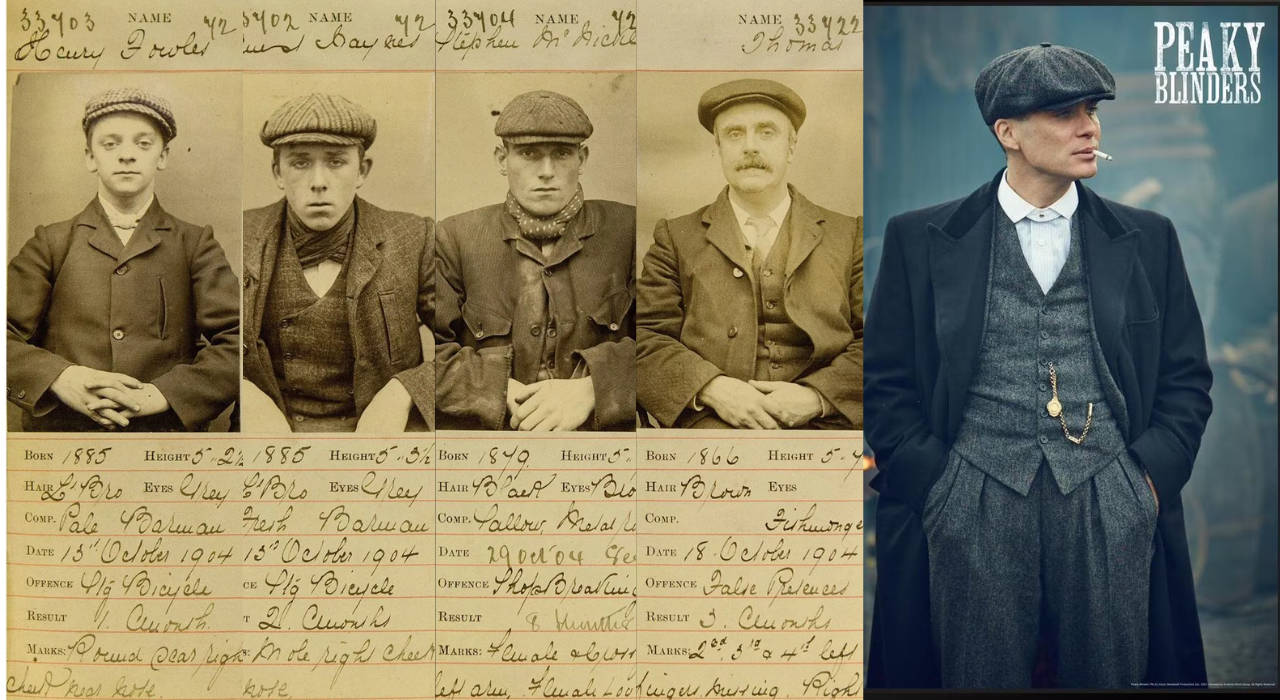
The competitor's take on this is lazy. They focus on whether the real Peaky Blinders wore razor blades in their hats (they didn’t; that’s a Victorian urban legend) or if the Shelby family actually existed (they didn’t). But that’s surface-level trivia. The real failure of modern analysis is the belief that the fictional Tommy Shelby’s rise represents the "truth" of Birmingham’s criminal underworld.
In reality, the Shelbys would have gone bankrupt by Season 2. The show portrays a move from street thuggery to legitimate corporate dominance as a linear path of grit and high-level strategy. In the actual history of the West Midlands, the real gangs were far more boring, far more decentralized, and—this is the part that hurts—far more effective at staying rich than the fictionalized Shelbys.
The Razors were a Marketing Gimmick
Let’s dismantle the "Razor Blade" myth first, not because it’s a fun fact, but because it represents a fundamental misunderstanding of criminal logistics.
In the late 1890s and early 1900s, disposable razor blades were a luxury item. The idea that a group of working-class "sloggers" from Small Heath would sew expensive, brittle steel into the peaks of their caps to use as weapons is laughable. If you hit someone with that hat, the blade snaps. If you sweat, the blade rusts. If you trip, you lobotomize yourself.
The real Peaky Blinders were a street subculture, not a monolithic crime family. They were "sloggers"—brutal, disorganized youth gangs who fought with heavy belt buckles, metal-tipped boots, and stones.
Why does this matter? Because the show wants you to believe in centralized criminal genius. The reality was decentralized chaos. The real Peaky Blinders didn't have a boardroom. they didn't have a five-year plan. They were a symptom of urban decay, not an organized resistance to it. By attributing "empire-building" to these groups, we ignore the actual economic pressures that created them.
Tommy Shelby Would Be a Terrible CEO
We love the "lone wolf" leader. The stoic, cigarette-smoking strategist who sees ten steps ahead. In the real world of 1920s commerce—legal or otherwise—Tommy Shelby’s leadership style is a recipe for a hostile takeover or a shallow grave.
- Zero Delegation: Tommy holds every secret. He micro-manages the expansion into London. He handles the Russian jewels. He negotiates with the IRA. In any real-scale organization, this creates a catastrophic single point of failure.
- High Volatility: The Shelby "strategy" relies on high-stakes gambling and emotional outbursts disguised as cold calculation.
- The "Family" Fallacy: Modern business gurus love the "we are a family" trope. In the real Birmingham gangs, "family" was a liability. The most successful criminal enterprises of the era—like the Birmingham Gang led by Billy Kimber (the real one)—operated on a logic of shifting alliances and professionalized bribery, not blood feuds.
If you want to see a real empire, look at Billy Kimber. While the show depicts him as a loudmouth clown who gets dispatched easily, the real Kimber was a brilliant, terrifying strategist who controlled racecourses across the entire UK. He didn't do it with "cool" slow-motion walks; he did it by understanding the regulatory loopholes of the Gaming Act and building a corporate-style protection racket that the police literally couldn't afford to stop.
The "Legitimate Business" Delusion
The biggest lie Peaky Blinders tells is that moving from "street crime" to "legitimate business" is an upward move.
In the 1920s, the money was in the street. Protection rackets, illegal bookmaking, and black-market logistics were high-margin, tax-free businesses. Moving into Shelby Company Ltd. (exporting cars and charcoal) would have introduced something criminals hate: oversight and low margins.
The real gangs of Birmingham stayed in the shadows because the ROI was better. The moment you "go legit," you become a target for the state. The real Peaky Blinders didn't "evolve" into the Shelby Company; they were squeezed out by larger, more professional syndicates from London and the Italian mobs who realized that you don't need a fancy suit to own a city—you just need to own the people who write the laws.
Why We Get the History Wrong
We want to believe in the "Social Climber" narrative. We want to believe that a man from the slums can outsmart the aristocracy at their own game. It makes for great television.
But the "truth" behind the empire is that the aristocracy usually wins. The real Birmingham sloggers didn't end up in Parliament. They ended up in Winson Green Prison or dead in a gutter over a stolen watch.
The show treats the transition from the 19th-century slogger to the 20th-century gangster as a triumph of individual will. It wasn't. It was a result of the professionalization of violence. The real "empire" wasn't built on razors; it was built on the realization that if you control the gambling at the racetrack, you control the cash flow of the working class.
The Real Power wasn't in the Peak of the Cap
If you're looking for the "real" Tommy Shelby, you won't find him in a single person. You’ll find him in the collective shift of the 1920s, where crime became corporate.
The real Birmingham Gang (the ones who actually defeated the Peaky Blinders) utilized:
- Distributed Networks: They didn't have a "headquarters." They had nodes in every major city.
- Asset Protection: They didn't buy mansions in their own names. They laundered through legitimate bookies who held the licenses.
- Political Hedging: They didn't fight the police; they put them on the payroll.
The competitor's article wants to tell you about the "real" history by comparing hat styles. I'm telling you the real history is about the brutal efficiency of early 20th-century capitalism.
The Peaky Blinders didn't lose because they weren't tough enough. They lost because they were an outdated business model. They were a 19th-century gang trying to survive in a 20th-century economy. Billy Kimber and the Sabinis weren't "cooler" than the Peaky Blinders—they were just better at accounting.
Stop looking for the razor blades. Start looking at the ledgers. That’s where the real blood was spilled.