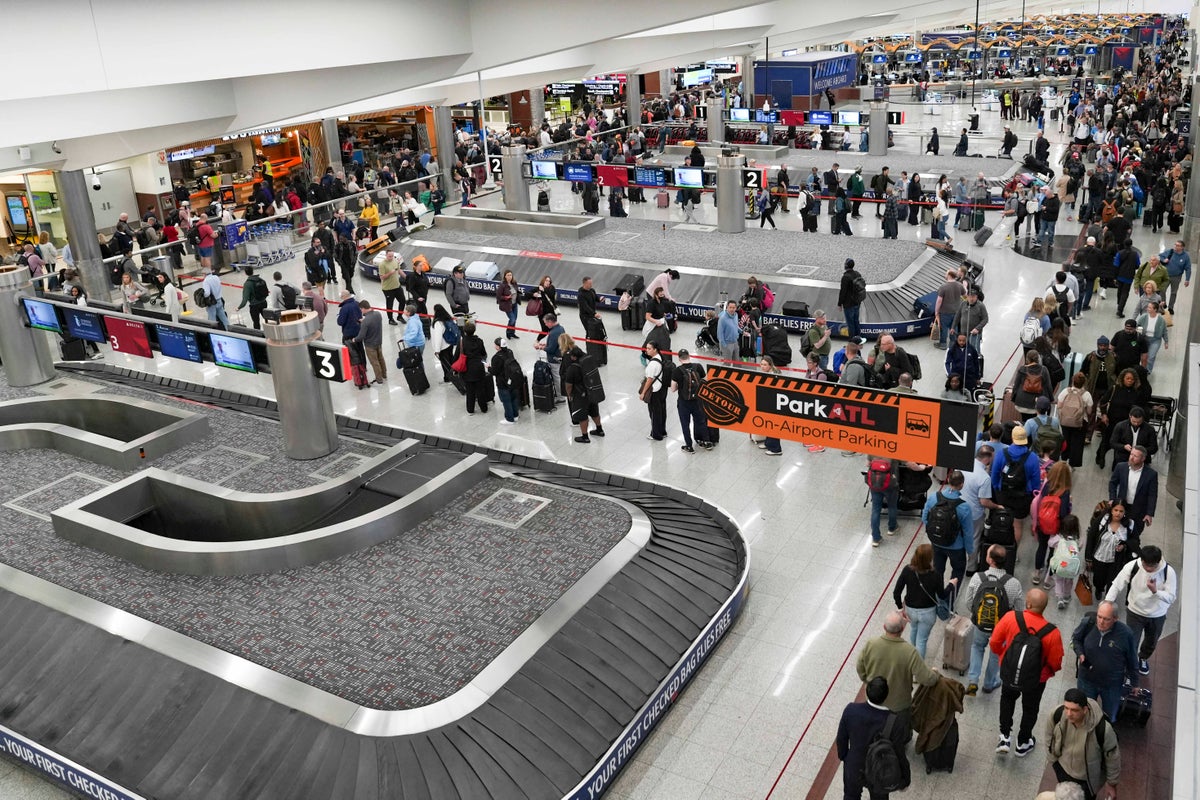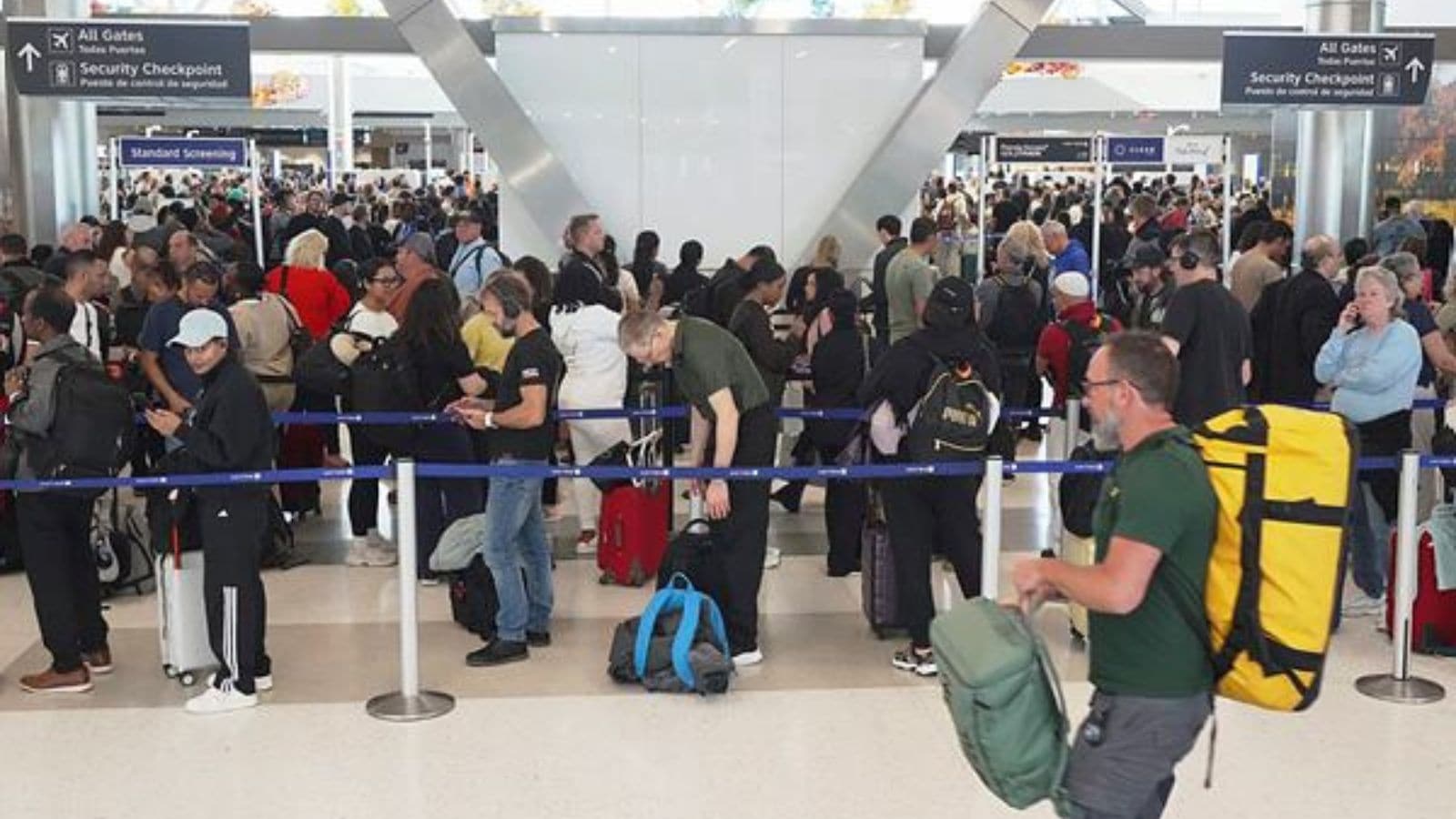
The images are always the same. Grainy smartphone footage of a serpentine line snaking past the Cinnabon, a disgruntled traveler checking their watch, and a news anchor blaming "unprecedented staff shortages" for the collapse of American civil aviation. It is a comforting narrative. It gives you a villain—the faceless government agency—and a simple solution—hire more people.
It is also a lie.
If you believe the bottleneck at O'Hare or Hartsfield-Jackson is a simple math problem of "Too Many Passengers + Too Few Blue Shirts," you are falling for the oldest trick in the bureaucratic playbook. The crisis isn't about headcount. It is about a fundamental refusal to acknowledge that the current security model is a vestigial organ of a pre-digital age. We are trying to process a 2026 travel volume using a 2002 philosophy.
The Headcount Myth and the Productivity Trap
The "staffing shortage" argument is the ultimate shield for inefficiency. When a system fails, the easiest thing to do is demand more tax dollars for more bodies. But more bodies in a broken system just creates a more crowded failure.
Look at the data. TSA’s budget has ballooned over the last decade, yet the "throughput per lane" metric remains embarrassingly stagnant. If you owned a factory where you doubled the staff but the output stayed the same, you wouldn’t blame a labor shortage. You would fire the floor manager and redesign the assembly line.
The real culprit is the Law of Diminishing Marginal Returns. Adding a 15th officer to a checkpoint doesn't make the X-ray machine scan faster. It doesn't make the traveler in front of you realize that, yes, their "organic" kale smoothie counts as a liquid. It just creates more people to manage the same physical bottleneck. We are obsessing over the number of cogs when the entire engine is seized.
The Security Theater Tax
We have been conditioned to accept "The Line" as a necessary evil for safety. It isn’t. Most of what you experience in that queue is Security Theater—a term popularized by Bruce Schneier to describe measures that provide the feeling of security without the reality of it.
Think about the ritual of the shoes. We have been taking off our footwear for twenty years because of one failed attempt in 2001. Since then, scanning technology has evolved to the point where 3D Computed Tomography (CT) can see through a lead-lined boot. Yet, at half the airports in the country, you’re still standing on a cold floor in your socks because the "staffing crisis" prevents the rollout of newer, faster machines.
The "crisis" isn't that there aren't enough people to watch you take off your belt. The crisis is that the agency has no incentive to be efficient. In a private business, time is money. In a government monopoly, your time is free. They can waste as much of it as they want because you have no other choice. You can't take your business to "TSA Lite" across the street.
PreCheck is a Ransom Note
Let’s be honest about what TSA PreCheck and Clear actually are: a pay-to-play bypass of a system that is intentionally kept miserable. When the government sells you a solution to a problem the government created, that isn't a "service." It's a protection racket.
We are told that these programs "thin the lines" for everyone else. Logic suggests otherwise. By segmenting the "trusted" travelers into their own lanes, the agency removes the most frequent, efficient flyers from the general population. This leaves the standard lanes filled with "infrequent" travelers—families with strollers, elderly passengers, and people who don't know the 3-1-1 rule.
This creates a Velocity Gap. The standard lanes become exponentially slower because they lack the "pacer" effect of experienced travelers. The "staffing shortage" didn't create the 2-hour wait; the strategic segregation of the most efficient users did.
The Infrastructure Delusion
Airlines love to point fingers at the TSA. The TSA points at Congress. Congress points at the budget. Everyone ignores the physical reality of the terminal.
Most major US airports were designed in an era when security was a gate-side formality. We are now trying to jam high-tech screening hubs into hallways designed for 1970s foot traffic. You can hire 10,000 new officers tomorrow, but if the physical footprint of the checkpoint only allows for four lanes, those officers will be standing around doing nothing while you miss your flight.
The Real Math of the Gate
Consider the variables that actually dictate your wait time:
- Physical Aperture: The width of the security entrance.
- Cognitive Load: How many instructions a passenger must follow (shoes, bins, liquids).
- False Positive Rate: The percentage of bags flagged for manual search.
If you reduce the Cognitive Load to zero—meaning walk-through biometrics and "bags-in-pack" scanning—the staffing requirement drops by 60%. The "shortage" is a byproduct of an overly complex process. Simplify the task, and the "shortage" vanishes.
Stop Asking for More Guards
When you see a headline about "long queues," don't ask why there aren't more agents. Ask why we are still using agents for tasks that a sensor can do better.
The future isn't a bigger TSA; it's an invisible one. In places like Dubai or Singapore, the "security line" is being replaced by biometric corridors. You walk. The system identifies you. The sensors scan your bags while they move on a belt. You never stop.
The US refuses to move in this direction because "staffing" is a political talking point. It’s a way to justify budgets and protect jobs that shouldn't exist in their current form. We are prioritizing the employment of "bin pushers" over the movement of a million passengers.
Your Move
If you want to actually fix the airport experience, stop tweeting at the TSA to hire more people. Start demanding the total deregulation of the checkpoint process. Demand that airports be allowed to opt-out of federal screening in favor of private, tech-first firms—a provision that already exists under the Screening Partnership Program (SPP) but is rarely utilized due to bureaucratic red tape.
The "staffing crisis" is a ghost. It's a convenient lie used to hide a lack of innovation and a total disregard for the value of your time.
Stop being a victim of the queue. Demand a system that recognizes you’re a traveler, not a suspect in a slow-motion lineup.
Throw the bins in the trash.