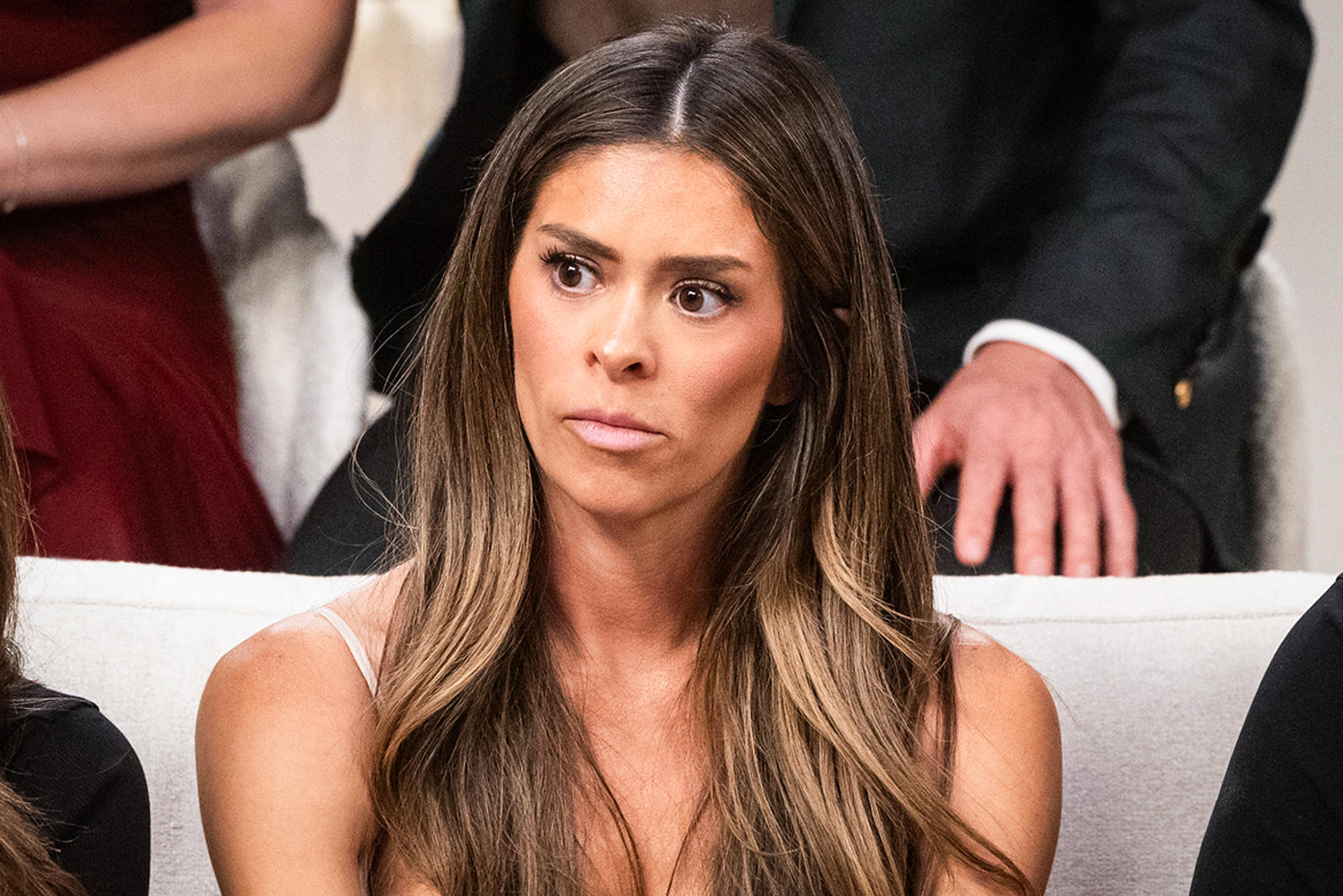
The cancellation of a high-profile production like ABC’s The Bachelorette starring Taylor Frankie Paul represents more than a casting shift; it is a clinical exercise in Corporate Risk Mitigation versus Brand Equity Degradation. When a major network terminates a season based on past behavioral data—specifically a 2023 domestic violence incident and the resulting legal footage—they are not making a moral judgment. They are calculating the Net Present Value (NPV) of a season against the potential for a catastrophic advertiser exit. The collapse of this production signals a new threshold in the "morality clause" economy where the cost of digital permanence outweighs the potential for high-engagement ratings.
The Tri-Factor Failure of Talent Diligence
Traditional talent scouting relied on a snapshot of current relevance. Modern reality television operates on a Long-Tail Liability model. The failure of the Taylor Frankie Paul project can be categorized into three specific breakdown points in production strategy:
- The Metadata Liability: Unlike pre-social media scandals, Taylor Frankie Paul’s 2023 legal issues were not just reported; they were recorded and distributed as high-definition digital assets. In a broadcast environment, these assets function as "anti-marketing." Every promotional trailer for the show would inevitably be met with the algorithmic resurfacing of the 2023 bodycam footage, creating a negative feedback loop that suppresses organic growth.
- Advertiser Brand Safety Thresholds: Modern media buying is increasingly automated via programmatic advertising. Brands set strict "Brand Safety" filters that automatically exclude content associated with keywords like "domestic violence," "arrest," or "assault." If the lead of a show triggers these filters, the CPM (Cost Per Mille) for that season collapses. The network then faces a structural deficit: the production costs remain fixed at millions of dollars, but the pool of eligible advertisers shrinks to bottom-tier, low-margin categories.
- Audience Fragmentation and Moral Arbitrage: The "Momtok" subculture, where Paul gained her initial following, is built on a foundation of high-velocity drama. However, there is a fundamental disconnect between TikTok Engagement (which thrives on controversy) and Linear Television Advertising (which demands stability). ABC’s error was miscalculating the conversion rate between hate-watching on social media and sustainable viewership on a legacy platform.
The Mechanics of the 2023 Incident as a Production Poison Pill
The specific 2023 footage involving Paul's arrest for domestic violence functioned as a "poison pill" for the Bachelorette franchise. In the context of the franchise's specific brand identity—which is predicated on the "search for true love" and "wholesome romance"—the presence of a lead with a documented history of physical volatility creates a Narrative Dissonance.
This dissonance is not merely a PR problem; it is a structural flaw in the script. Reality TV relies on the suspension of disbelief. If the audience cannot buy into the central premise of the lead's "journey," the emotional stakes of the competition vanish. When the footage from 2023 resurfaced with renewed vigor during the pre-production phase, the network's legal department likely identified a Duty of Care breach. If a contestant were to be involved in a heated argument with a lead known for past physical outbursts, the network’s liability insurance premiums would move into a prohibitive bracket.
Insurance and the Reality TV Bond Market
Most viewers overlook the role of production insurance in these decisions. TV shows must be "bonded." A completion bond is a guarantee that the project will be finished on time and on budget. Insurers assess the "moral hazard" of the cast.
- High-Risk Talent: Increases the "cast insurance" premium, which covers the costs if a lead becomes unavailable or the production is shut down due to their actions.
- The 2023 Footage Factor: This served as a "Pre-existing Condition" in the eyes of underwriters. By moving forward, ABC would have been forced to self-insure a significant portion of the production risk, as third-party insurers often exclude known behavioral liabilities.
The Economics of the Cancellation Decision
To understand why ABC chose to scrap an entire season rather than simply re-editing or delaying, one must look at the Opportunity Cost of Airtime.
A season of The Bachelorette occupies a prime-time slot for 10–12 weeks. If the Taylor Frankie Paul season premiered and then suffered an advertiser boycott three weeks in, the network would lose:
- The initial production investment (sunk cost).
- The "Make-Good" inventory (giving advertisers free slots elsewhere to compensate for low ratings or controversy).
- The lead-in value for the following time slot (the "Halo Effect").
By killing the season before it reached the air, ABC effectively executed a Stop-Loss Order. They prioritized the long-term health of the Bachelorette brand over the short-term recovery of the Paul production budget. The franchise is a multi-decade asset; one radioactive season could permanently lower the brand's floor.
Structural Shifts in Talent Acquisition Strategy
The Paul cancellation marks the end of the "Influencer-to-Lead" pipeline in its current unregulated form. Moving forward, talent departments will likely implement Digital Forensic Audits that go beyond simple background checks. These audits will quantify:
- Sentiment Volatility: Measuring the ratio of positive to negative mentions over a 36-month period.
- Asset Liability: Identifying every piece of existing video content that could be used by competitors or critics to discredit the narrative.
- Platform Dependency: Determining if the talent's value is tied to a specific algorithm (like TikTok) or if they possess genuine cross-platform "Star Power."
The Taylor Frankie Paul case proves that a high follower count is no longer a sufficient hedge against a high-risk personal history. In the hierarchy of television production, Vulnerability to Litigation now ranks higher than Potential for Viral Engagement.
The Strategic Pivot for Future Franchises
For production companies and networks, the takeaway is the necessity of Contractual Agility. The "Taylor Frankie Paul" clause will likely become a standard addition to talent contracts, allowing networks to terminate with zero payout if "historical assets" (videos, posts, or legal records) surface that were not disclosed or that exceed a certain threshold of public backlash.
Production teams must now treat talent as they would a physical location: if the "site" is contaminated, the project must be moved. The immediate strategic play for networks is to return to "Unknown" leads—individuals with minimal digital footprints who can be molded into the franchise's specific narrative architecture. This reduces the risk of "Digital Ghosts" returning to haunt the production during the high-spend marketing phase.
The fallout from this cancellation will necessitate a broader industry audit of the "Momtok" and "Influencer" ecosystems. These creators often lack the media training and legal safeguards of traditional Hollywood talent, making them high-yield but extremely high-beta assets. The market is currently correcting for this volatility, and the Paul cancellation is the first major signal of that correction.
Analyze your current talent roster for "Digital Ghost" liabilities. Conduct a sentiment stress test on every lead scheduled for the next 18 months. If the cost of defending the talent exceeds 15% of the projected ad revenue, trigger the exit clause now rather than after the marketing spend has commenced.