The air in New Delhi during the transition from winter to spring carries a specific weight—a mixture of dust, exhaust, and the faint, sweet scent of blooming jasmine. It is a city that breathes history, where every sandstone archway remembers a different empire. Inside the quiet corridors of the Ministry of External Affairs, the atmosphere is dictated not by the season, but by the relentless vibration of a secure line.
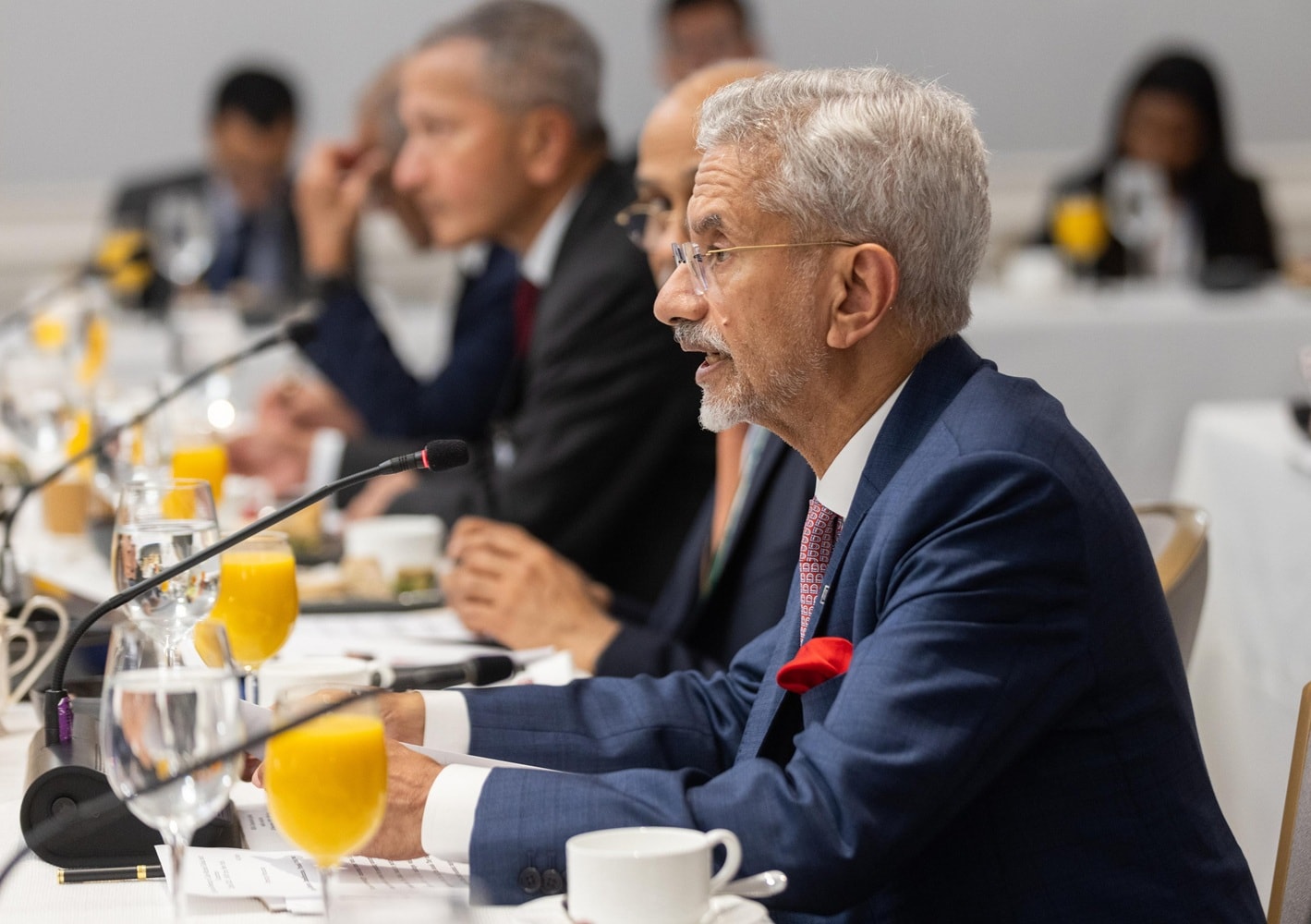
When Subrahmanyam Jaishankar, India’s External Affairs Minister, picks up the phone to speak with his Israeli counterpart, Gideon Sa’ar, the conversation is never merely about diplomatic protocol. It is about the shifting tectonic plates of a world that feels increasingly fragile.
Across the ocean, in a room likely shielded from the cacophony of a region on edge, Sa’ar began to lay out the map. Not just the physical map of borders and checkpoints, but the invisible map of intent, threat, and survival.
This was their first substantial dialogue since Sa’ar took the mantle of Israel’s foreign ministry. The timing was not accidental. The Middle East—or West Asia, as it is known in the halls of Indian power—is currently a theater of overlapping tragedies and cold calculations.
The Weight of the Message
Sa'ar didn't just provide a briefing. He provided a perspective from the eye of the storm. He spoke of the ongoing conflict, the multi-front reality that Israel faces, and the specific dynamics involving Iran and its proxies. To the casual observer, these are headlines. To a diplomat, they are variables in a high-stakes equation that determines the price of oil, the safety of shipping lanes, and the lives of millions of expatriates.
India watches this with a unique kind of intensity.
Consider a hypothetical worker named Arjun. He is from a small village in Kerala, currently working in a warehouse in Dubai or perhaps a construction site in Haifa. To Arjun, a "briefing on the security situation" isn't a political development. It is the difference between a steady paycheck sent home to his aging parents and a frantic scramble for an evacuation flight.
There are nine million Arjuns.
India’s stake in West Asia is rooted in these human threads. When Sa'ar describes the "regional developments," Jaishankar is processing how those developments ripple through the Persian Gulf, where India’s energy security and the livelihoods of its diaspora are anchored.
The Architecture of the Conversation
The dialogue moved through the jagged edges of the current war. Sa'ar detailed the threats posed by the "Axis of Resistance." He spoke of the necessity of Israeli actions and the long-term vision for a different kind of regional stability.
Jaishankar, known for a brand of diplomacy that is as sharp as a scalpel and as steady as a mountain, listened with the perspective of a nation that refuses to be a bystander but insists on its own strategic autonomy. India’s position has been a delicate tightrope walk. It condemned the horrors of October 7 with visceral clarity. It has also consistently called for a two-state solution and expressed deep, mourning concern for the humanitarian catastrophe unfolding in Gaza.
The conversation was an exercise in "Strategic Empathy." This is a term used by historians to describe the ability to see the world through an adversary's—or a partner's—eyes without necessarily losing your own vision.
Sa’ar needed India to understand the existential nature of Israel's current struggle. Jaishankar needed Israel to understand that the stability of the entire maritime corridor—stretching from the Red Sea to the Indian Ocean—is a red line for global trade.
The Invisible Stakes
Why does a phone call between two men in suits matter to someone sitting in a coffee shop in Mumbai or a tech hub in Bengaluru?
It matters because West Asia is the bridge between the East and the West. If that bridge burns, everyone pays the toll. The "India-Middle East-Europe Economic Corridor" (IMEC) was once hailed as a modern Silk Road, a way to bypass the bottlenecks of traditional trade. The conflict has placed that dream in a state of suspended animation.
During the call, the ghost of this corridor sat at the table. To revive it, there must be a day after the war. There must be a framework where Saudi Arabia, Israel, the UAE, and India can operate in a shared economic reality. Sa'ar’s briefing was, in part, an attempt to signal that despite the smoke, the horizon is still being watched.
But there is a darker shade to the conversation.
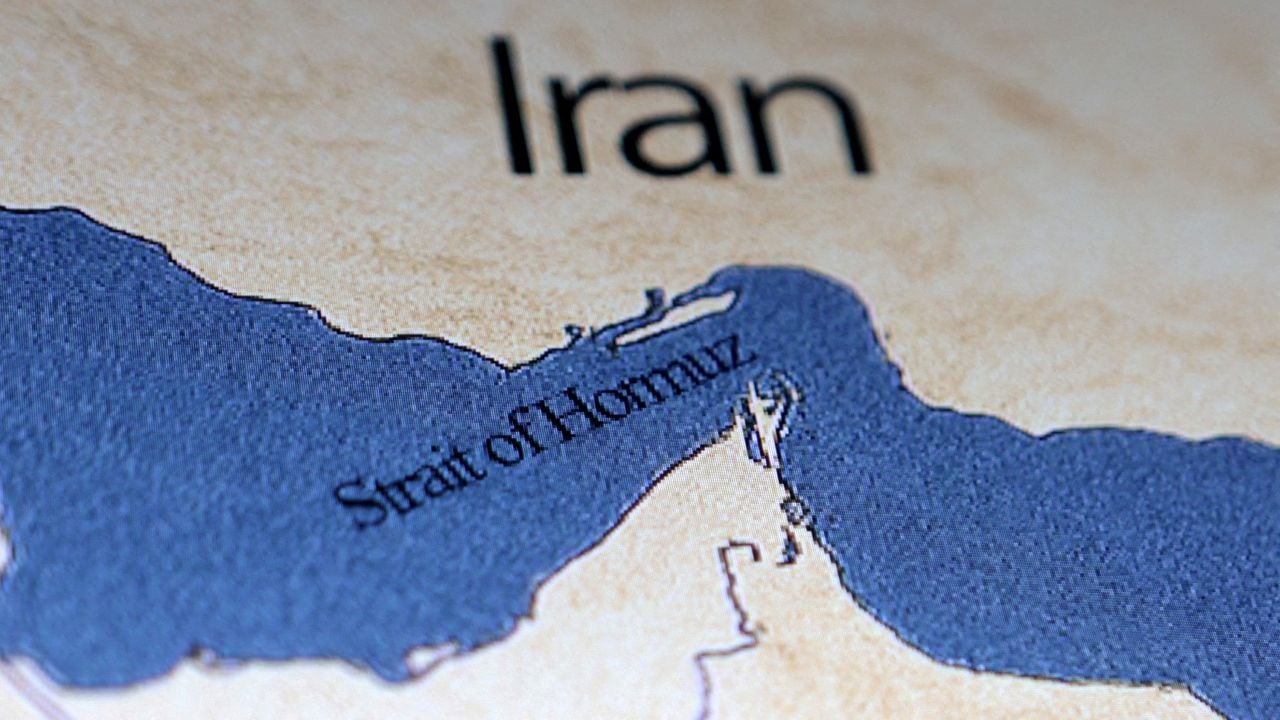
The mention of Iran is never simple. For India, Iran is the gateway to Central Asia through the Chabahar port. For Israel, Iran is the architect of the shadows. Managing these contradictory truths requires a level of diplomatic dexterity that borders on the impossible. Jaishankar’s task is to maintain a friendship with Israel that is "rock solid," as he has described it in the past, while ensuring that India’s other vital interests in the region don't go up in flames.
Beyond the Bullet Points
The official readouts of such calls are usually sterilized. They use words like "exchanged views" or "reviewed bilateral ties."
What they miss is the tension. The silences between sentences. The way a voice changes when discussing the fate of hostages or the death toll of civilians.
Sa'ar is a man trying to shore up international understanding for a nation that feels increasingly isolated in the court of global opinion. Jaishankar is a man representing a rising power that no longer wants to be told which side of a fence to sit on.
They discussed the "bilateral roadmap." This is the boring term for a very exciting reality: the fact that Indian and Israeli scientists are currently co-developing technologies that will define the next century. From water desalination that could save parched Indian states to defense systems that guard against the silent threat of drones, the "human-centric" part of this relationship is found in laboratories and farm fields, not just war rooms.
The Echo in the Room
As the call concluded, the fundamental questions remained. How does this end? When does the "briefing" move from a tally of strikes and counter-strikes to a plan for reconstruction?
India’s role is increasingly that of the "Vishwa Mitra"—the friend of the world. It is a self-appointed title, but one that Jaishankar carries with conviction. By engaging with Sa'ar so early in his tenure, India is signaling that it remains a stakeholder in the peace, not just a witness to the conflict.
The conversation didn't provide a miracle. It didn't stop the drones or open the gates. What it did was maintain the bridge.
In a world where communication is often replaced by shouting, the quiet, steady exchange of information between Delhi and Jerusalem is a reminder that even in the darkest hours, the lines remain open. The weight of the world is heavy, but it is a weight that is currently being shared, one secure phone call at a time.
The jasmine in Delhi will continue to bloom, and the dust will settle on the red sandstone, but the map of the world has changed. It is being redrawn by the voices on the other end of the line, trying to find a path through the fire toward a morning that hasn't arrived yet.
Would you like me to analyze how India's stance on the West Asia conflict has evolved specifically regarding the United Nations votes over the last six months?