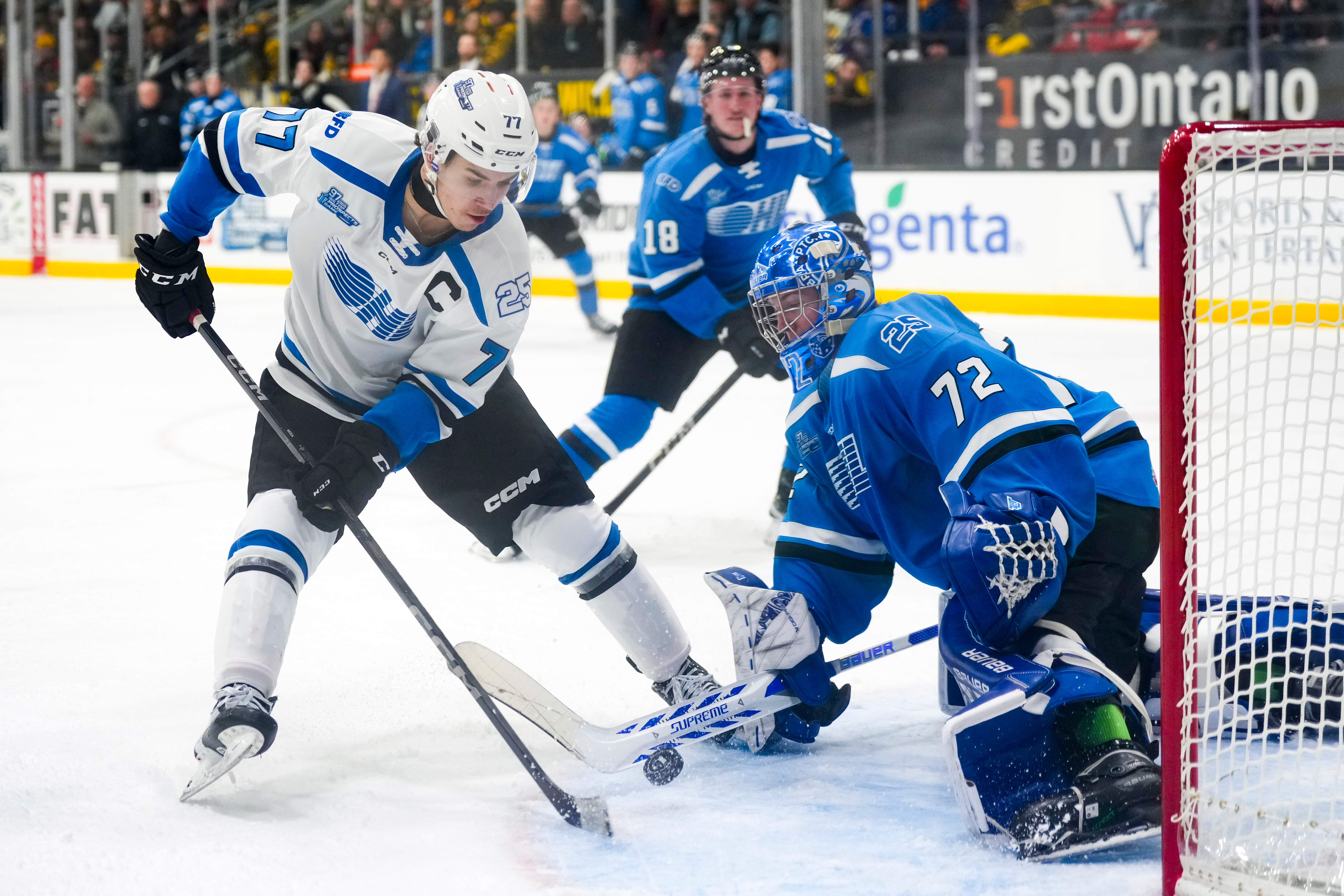
The Ontario Hockey League hasn't added an expansion team since the Brampton Battalion and Erie Otters joined the fold in 1998. For nearly three decades, the league's map has been a game of musical chairs—teams moving from North Bay to Saginaw or Mississauga to Brantford—without actually growing the pie. That's changing. Commissioner Bryan Crawford is currently hitting the pavement, pitching municipalities on a vision of growth that hasn't been seen in a generation.
If you're a hockey fan in a mid-sized Ontario city, this is the news you've waited for. But if you're a taxpayer in those same cities, the price tag might make you choke on your morning coffee. Crawford isn't just selling a hockey team; he's selling a $200 million real estate commitment. Discover more on a related topic: this related article.
The Arena Ultimatum
Let’s be blunt. You don't get an OHL team because you have "passionate fans" or a "rich hockey history." You get a team because you have a building that meets the league's 2026 standards. Crawford made this crystal clear during his recent presentation to Chatham-Kent council. His message was simple: Build it, and they will come.
The league is looking for a specific template. We're talking about a minimum of 5,000 seats, roughly 30 premium suites, and modern amenities that can support more than just 34 home games a year. Crawford estimated the cost of these facilities at anywhere between $150 million and $200 million. Additional analysis by NBC Sports highlights related views on the subject.
For a city like Chatham-Kent, where the current Memorial Arena holds about 2,200 people and dates back to 1949, the leap isn't just a renovation. It's a total overhaul of the municipal budget. The league is basically saying that the old "Junior B" barns don't cut it anymore. If a city wants the prestige of the OHL, they have to pony up for a multi-use entertainment hub that can host concerts and trade shows to offset the massive debt load.
Why the OHL is Aggressive Right Now
You might wonder why the league is suddenly so hungry for new markets after 28 years of standing still. It isn't just about ticket sales. The landscape of amateur hockey shifted under everyone's feet last year when the NCAA changed its eligibility rules.
Previously, playing a single game in the OHL made a player ineligible for US college hockey. That barrier is gone. Now, elite 16- and 17-year-olds can play in the OHL and still keep their NCAA options open. This has led to a massive influx of talent. Crawford noted that the league added over 120 players this season specifically because of these changes.
Essentially, the OHL now has enough elite talent to fill four more teams without diluting the product. From a business perspective, the "supply" of players is at an all-time high, and the league needs more "stores" (franchises) to sell that talent to fans and NHL scouts.
The Front-Runners for Expansion
The map is starting to take shape, and it isn't just limited to Ontario. While Chatham-Kent is the most recent city to get a formal pitch, they aren't alone in the waiting room.
- Chatham-Kent: Ideally located between Windsor and London. It’s a natural rivalry fit, but the $200 million arena remains a massive political hurdle.
- Vaughan: This is the big fish. The City of Vaughan recently approved a $150,000 feasibility study for an arena that could seat up to 10,000 people. With the GTA’s population density, the OHL sees this as an "ideal market."
- Cornwall: They have the history and the building (the Ed Lumley Arena), but they’d likely need significant upgrades to meet modern suite and broadcast requirements.
- The American Markets: Don't sleep on the U.S. interest. With the NCAA ruling, the OHL is looking at cities in Michigan, Pennsylvania, and New York. Markets like Muskegon or even a return to a more traditional USHL territory are being whispered about in league circles.
The Economic Reality Check
Crawford claims the OHL is a half-billion dollar economic driver across its 20 communities. He’s not entirely wrong. When the Bulldogs moved to Brantford, they didn't just bring hockey; they brought 3,000+ people downtown 34 nights a year who spent money on beer, burgers, and parking.
But there’s a tension here that most sports reporters gloss over. Cities like Chatham already have a "Junior B" team like the Maroons. These teams are the lifeblood of local sports culture. There’s a legitimate fear that dropping a "big league" OHL team into a town of 100,000 people will cannibalize the existing local clubs. Crawford argues they can coexist, but history shows that when the shiny new $200 million toy arrives, the old local rink usually gets a lot quieter.
What Happens Next
This isn't a "next month" situation. Crawford himself admitted these projects are managed in years, not months. If a city like Chatham-Kent or Vaughan signed a deal tomorrow, you're still looking at a three-to-eight-year window for construction and launch.
If you live in one of these target cities, watch the council votes. The "Commitment to Build" is the only document that matters. Until the shovels are in the ground for a 5,000-seat facility, the expansion talk is just a very expensive game of "what if." The OHL has the talent and the ambition; now they’re just waiting to see which city is willing to go into debt to join the club.
Keep an eye on the municipal elections this October. If a mayor starts talking about "revitalizing the downtown core with a multi-purpose facility," you can bet there’s an OHL franchise agreement tucked in their briefcase. Check your local municipal planning portal for "Sports and Entertainment District" studies—that's usually the first real sign that a bid is becoming reality.