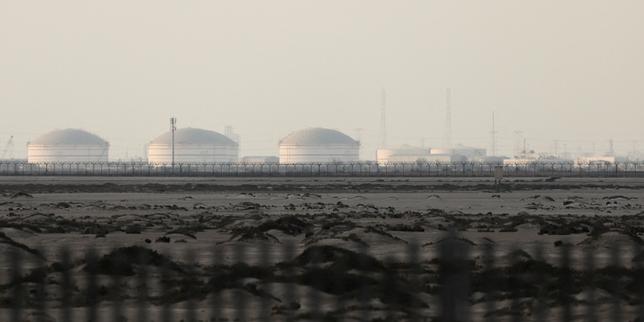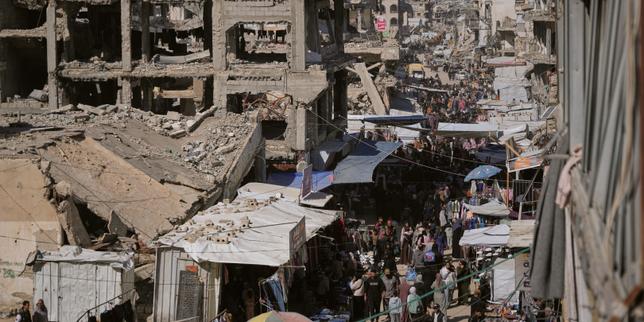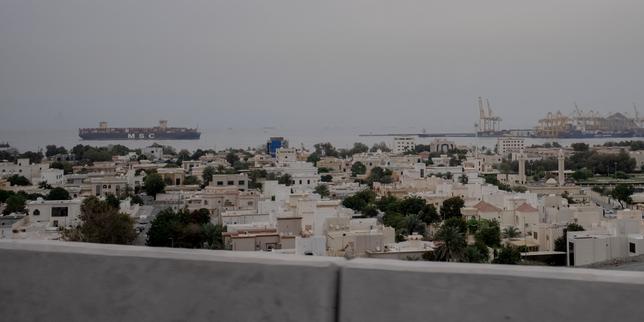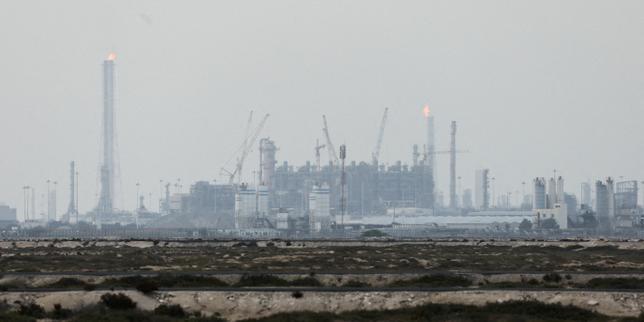
The coffee in Khalid’s mug had gone cold hours ago, forming a thin, oily film that reflected the harsh fluorescent glow of the control room. Outside the reinforced glass of the Ras Tanura terminal, the Persian Gulf was a void of obsidian water, silent and deceptively still. Khalid didn’t look at the water. He looked at the frequency monitors.
A hum lived in this room. It was the sound of the world’s pulse, a steady 60-hertz vibration that meant millions of people thousands of miles away were cooking dinner, charging phones, and keeping hospital ventilators running. When that hum falters, the world stops.
He remembered the first time the alerts changed. It wasn’t a dramatic explosion or a cinematic fireball. It was a "logic event." A sequence of code, written in a room with no windows halfway across the globe, had decided that a specific valve in a high-pressure line should no longer obey human commands. In the dry language of geopolitical analysts, this is called a "multi-vector threat against energy infrastructure." To Khalid, it was the sound of a pressure gauge screaming.
We treat the flow of energy like a law of nature. We assume that because the sun rises, the gas will flow. We are wrong.
The Invisible Front Line
For decades, the security of the Gulf was measured in hulls and hardware. You could count the destroyers. You could see the batteries of Patriot missiles silhouetted against the desert dunes. But the architecture of war has migrated from the physical to the ethereal, and the targets are no longer just the tankers—they are the brains that navigate them.
The modern energy facility is a nervous system of SCADA (Supervisory Control and Data Acquisition) networks. These are the digital pathways that allow a single operator to manage thousands of miles of pipeline. They are also the soft underbelly of the global economy. When an automated drone—costing less than a used sedan—swarms toward a stabilization tower, it isn't just trying to break steel. It is testing the reaction time of a billion-dollar defense grid.
But the physical strikes are often the diversion. While the world watches the smoke rise from a processing plant in Abqaiq, a silent intrusion is often already underway within the facility's internal servers. This is the "Sandworm" style of engagement: persistent, quiet, and designed to sit dormant until the exact moment it can cause the most psychological terror.
Consider the math of a modern disruption. A successful strike on a major processing node doesn't just raise the price of Brent Crude by a few dollars. It creates a ripple effect through the "just-in-time" supply chain. Fertilizer production stalls. Shipping insurance premiums in the Strait of Hormuz skyrocket. Suddenly, a farmer in Iowa is paying more for tractor fuel because a digital packet was sent to a relay station in the Empty Quarter.
The Ghost in the Machine
We often speak of "state actors" as if they are monolithic entities, but the reality is more chaotic. The proliferation of cyber-offensive tools means that the barrier to entry has vanished. What was once the exclusive domain of superpowers is now available to any group with enough cryptocurrency and a grievance.
The attackers aren't looking for a total blackout. Not yet. They are looking for "gray zone" dominance. They want to create a permanent state of anxiety where the reliability of the Gulf’s energy exports is always in question. If you can make a buyer doubt that the cargo will arrive, you’ve already won half the battle without firing a single bullet.
Khalid watched the screen. A minor fluctuation. Was it a sensor malfunction? A gust of wind? Or was it the first probe of a coordinated "wiper" malware attack designed to erase the facility's hard drives?
The uncertainty is the point. It erodes the trust that holds the global market together. When energy becomes a variable rather than a constant, the very foundation of modern life begins to shift. We are moving into an era where "energy security" means having a digital firewall as robust as a concrete bunker.
The Human Cost of High Voltage
Behind the headlines about "increased tensions" and "regional volatility" are people who live in the shadow of these giants. There are the engineers who sleep on cots in control rooms during periods of high alert. There are the merchant mariners who scan the horizon for the low-profile silhouettes of fast-attack craft or the buzzing signature of loitering munitions.
The stakes are high because the margin for error has shrunk to zero. In the past, an attack on a refinery was a localized tragedy. Today, because every system is interconnected, a failure in one node can cascade through the entire grid. It is a fragile web of glass and light.
There is a specific kind of exhaustion that comes from guarding something the world takes for granted. It is the exhaustion of knowing that if you do your job perfectly, no one will ever know your name. But if you fail for one second, the entire planet feels the cold.
The shift in tactics—moving from large-scale military engagements to these "pinprick" attacks—is a calculated move to stay below the threshold of open war. It is a slow-motion siege. By targeting the points of maximum economic leverage, attackers can exert pressure that no amount of traditional diplomacy can counter.
The Armor of the Future
If the threat is evolving, the defense must become sentient. We are seeing the rise of AI-driven defense systems that can identify a cyber-intrusion in milliseconds, faster than any human operator could blink. These systems don't just block attacks; they predict them based on the subtle "tells" of a hacker’s digital signature.
But technology is only as strong as the will of the people using it. The real defense isn't just better encryption or more interceptor missiles. It is a fundamental shift in how we perceive our vulnerability. We have to stop thinking of energy as a commodity and start seeing it as a vital organ that requires constant, vigilant protection.
The sun began to bleed over the horizon, turning the Gulf into a sheet of hammered gold. Khalid’s shift was over. The monitors were green. The 60-hertz hum remained steady, a low vibration in the floorboards that most people would never notice.
He stepped outside, the humid air hitting him like a physical weight. On the horizon, a tanker moved slowly toward the open sea, carrying the lifeblood of a dozen cities. It looked small against the vastness of the water, a tiny speck of light in a world that was learning, very slowly and very painfully, just how easy it is to be plunged back into the dark.
The hum continues for now, but the silence is always waiting just one line of code away.
Would you like me to analyze the specific technological vulnerabilities of SCADA systems mentioned in this narrative?