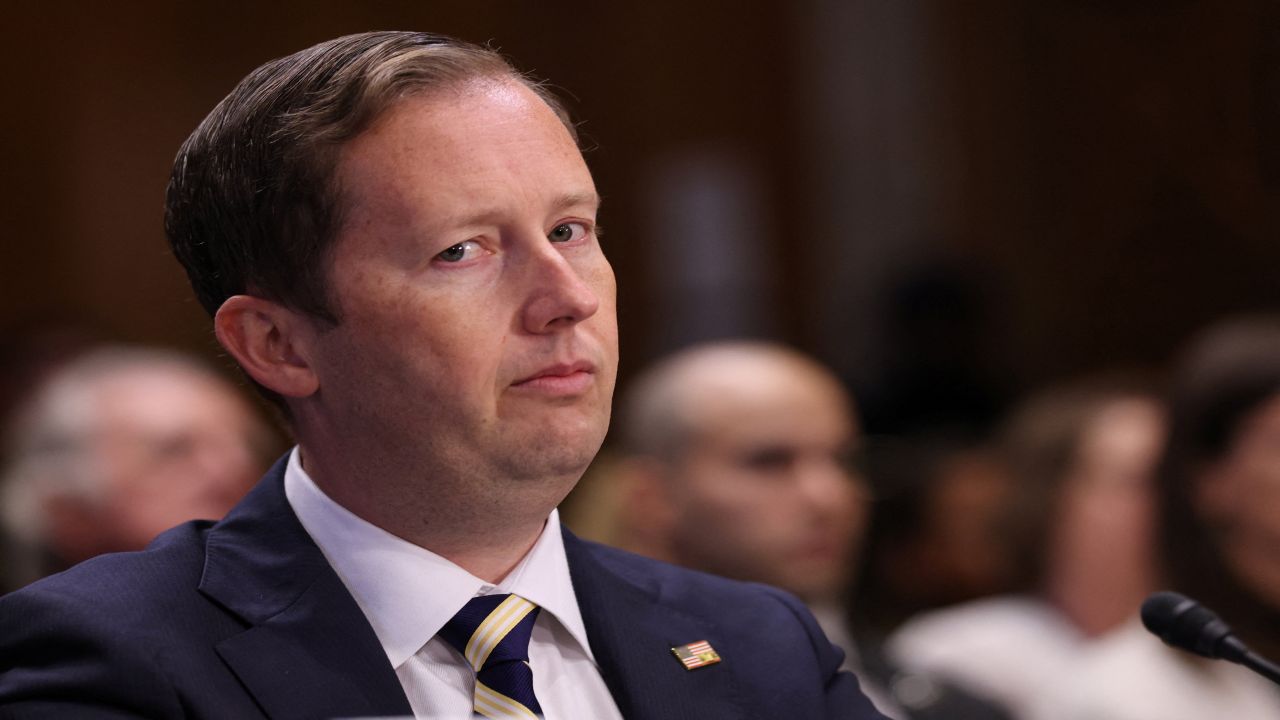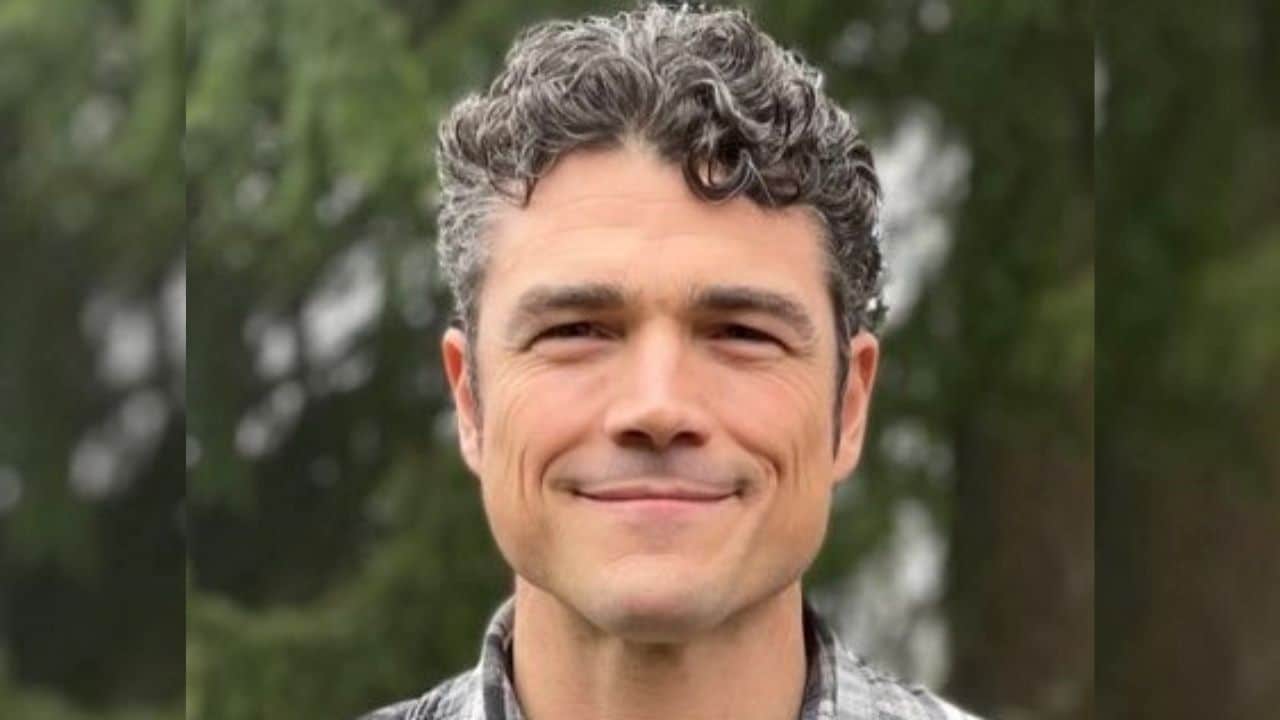
Joe Kent didn't just walk out of the White House. He walked out on a system that is currently cannibalizing itself.
The media wants to feed you a tidy narrative: a high-ranking counterterrorism official resigns, whispers of an FBI probe follow, and we all sit around speculating about "national security leaks." It’s a convenient script. It keeps you looking at the individual while the institution behind him continues to fail at its primary function. If you think this is about one man potentially mishandling a classified folder, you are missing the forest for a single, rotting tree. Also making news lately: The Kinetic Deficit Dynamics of Pakistan Afghanistan Cross Border Conflict.
The "insider threat" is the most overused boogeyman in Washington. It is the go-to label whenever the bureaucracy feels its grip slipping. I have seen this play out in the private sector and the public sector alike—when an organization can no longer justify its own inefficiency, it finds a scapegoat to project its anxieties upon.
Joe Kent isn’t the story. The story is the desperate attempt to maintain a monopoly on information in an era where that monopoly has already dissolved. More details into this topic are covered by Associated Press.
The Myth of the Controlled Narrative
The FBI investigation into Kent, as reported by the usual suspects, centers on what he has said since leaving his post. The implication? That there is a "correct" way to speak about counterterrorism and an "incorrect" way.
Most observers are asking: Did he break his NDA? That is the wrong question. The right question is: Why is the government so terrified of an ex-official offering a different perspective on failed foreign policy?
We are living through a period where the traditional gatekeepers of "truth" are losing their minds because they can no longer silence dissent with a simple classification stamp. In the old world, if you left the White House and started pointing out that our counterterrorism strategies were actually creating more terrorists than they were neutralizing, you were silenced or ignored. In 2026, you have a platform.
The probe isn't about security. It’s about discipline. It’s a warning shot to anyone else thinking of leaving the fold and speaking plainly to the public.
Counterterrorism is a Failed Product
Let's look at the data the mainstream won't touch. Since 2001, the United States has spent trillions on "counterterrorism." By any objective business metric, the Return on Investment (ROI) is abysmal. We have seen a proliferation of decentralized extremist groups that are more resilient and tech-savvy than their predecessors.
When a product fails this consistently, a company pivots or goes bankrupt. In Washington, a failing department gets a budget increase and a more aggressive internal affairs division.
Kent’s "sin" appears to be his willingness to highlight this failure. He moved from the "inner circle" to the "outer critic," and the system responded the only way it knows how: with an investigation. This is the institutional equivalent of a toxic ex-partner checking your phone because they can't handle the fact that you've moved on and started telling your friends the truth about the relationship.
The FBI as a PR Firm
The FBI’s involvement here is being treated as a sign of gravity. "If the FBI is involved, it must be serious."
Let’s dismantle that.
The FBI has increasingly become the enforcement arm of the status quo. I’ve watched federal agencies burn millions of taxpayer dollars chasing "whistleblowers" whose only crime was making the leadership look incompetent. If Kent actually compromised assets or put lives at risk, charge him. Do it today. But if the "probe" lingers in the "preliminary stages" for months while leaks about his "concerning rhetoric" find their way to the press, you are witnessing a character assassination, not a criminal investigation.
They aren't looking for a crime. They are looking for a reason to keep him off the airwaves.
Why You Should Support the Disrupters
You don't have to like Joe Kent’s politics to see the danger in the reaction to his resignation.
When we allow the state to use the threat of investigation to chill the speech of former officials, we lose the only check we have on the "deep state"—a term that has been hijacked by conspiracy theorists but actually refers to the very real, very permanent layer of unelected bureaucrats who stay in power regardless of who is in the Oval Office.
These individuals view themselves as the "adults in the room." They believe the public is too uninformed to handle the messy reality of global conflict. They prefer a sterilized, redacted version of history. Kent is a threat because he’s an "insider" who refuses to play by the "insider" rules.
Imagine a scenario where every CEO who resigned was immediately audited by the SEC not because of financial discrepancies, but because they dared to criticize the Board of Directors on their way out. That is what we are seeing here. It’s a protection racket for the powerful.
The Logic of the Leak
The competitor article focuses heavily on what Kent has said since leaving. They point to his interviews and his social media presence as if having an opinion is a smoking gun.
Here is the brutal truth: The most dangerous "leaks" don't come from guys like Kent. They come from the agencies themselves. High-level officials leak classified information every single day to favored reporters to shape a narrative that favors their department. That’s called "backgrounding." It’s legal because the people at the top say it is.
It only becomes a "security breach" when the information being shared makes the agency look bad.
If the FBI wanted to find who is actually damaging national security, they should start by subpoenaing the phone records of the very people who leaked the existence of the Kent probe to the media. But they won't. Because the leak is the tool.
The Actionable Reality
Stop waiting for the "results" of the investigation. The investigation is the result. The process is the punishment.
If you want to understand what’s actually happening in the world of counterterrorism, stop reading the press releases from the DOJ. Look at the people the DOJ is trying to silence.
- Ignore the classification: 90% of what is classified is hidden because it’s embarrassing, not because it’s dangerous.
- Follow the money: Look at which defense contractors are benefiting from the policies that Kent is criticizing.
- Watch the timing: Probes like this always intensify when the subject starts gaining a following or a platform that threatens the established order.
The Joe Kent story isn't a thriller about a rogue agent. It’s a tragedy about a bloated, defensive bureaucracy that would rather destroy a man's reputation than admit its own strategies are obsolete.
We don't need more "counterterrorism chiefs." We need more people who are willing to admit that the "war" we’ve been fighting for twenty-five years is a self-perpetuating machine that feeds on our fear and our tax dollars.
The system isn't broken. It’s working exactly as intended to protect itself. And that is the most terrifying thing of all.
Stop asking if Joe Kent is a criminal and start asking why the people investigating him are so afraid of what he has to say.