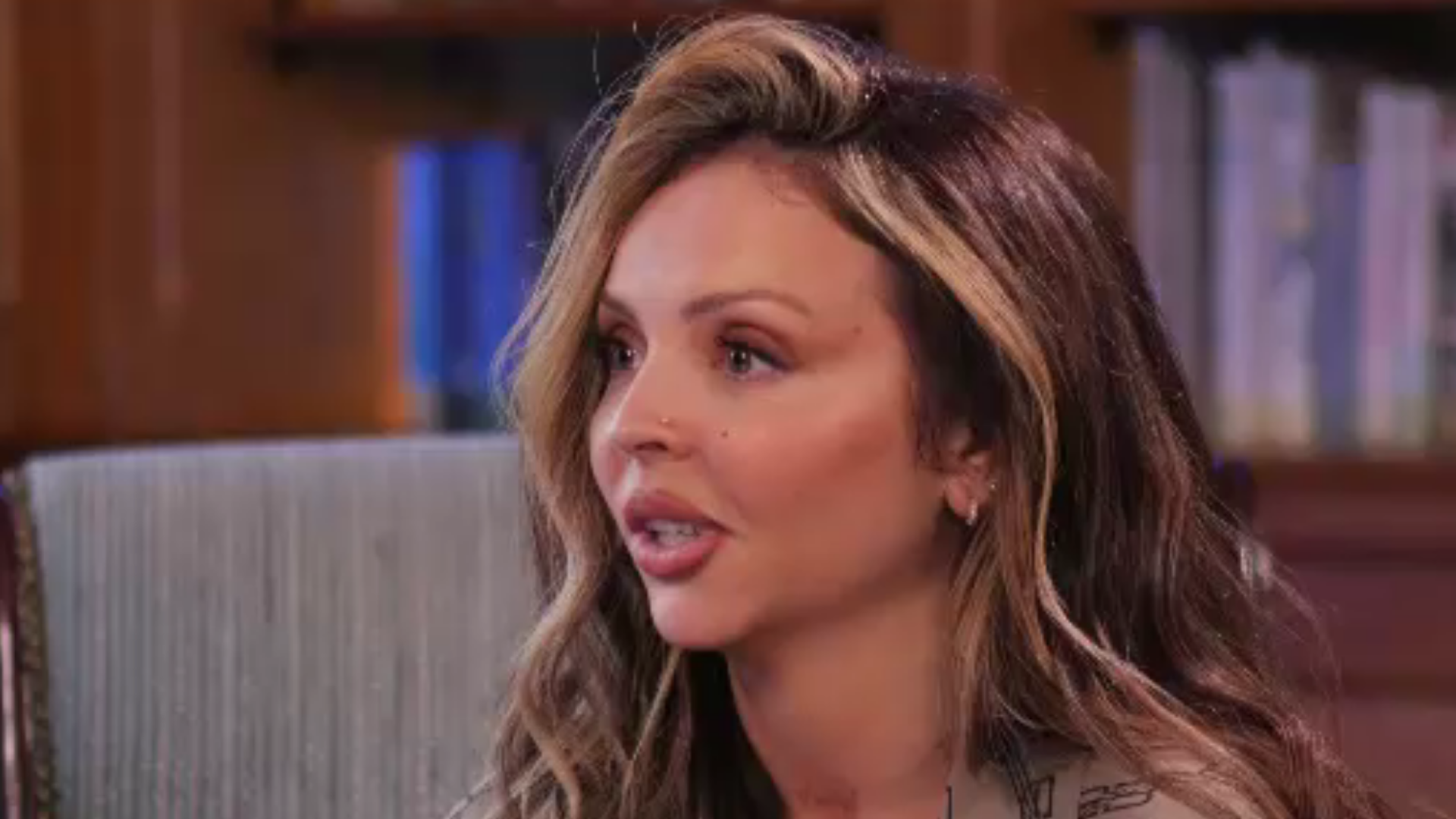
Jesy Nelson is finally seeing a breakthrough in a cause that hits closer to home than most people realize. The former Little Mix star has spent years quietly dealing with the fallout of DiGeorge Syndrome, a rare genetic condition that usually flies under the radar of public health discourse. Now, she’s celebrating a massive win as specialized screenings and support systems begin to roll out more widely across the UK.
It's about time. For too long, families have been left to navigate a labyrinth of confusing symptoms without a name for their struggle. This isn't just a celebrity attaching her name to a trendy charity. This is about a woman who lived the reality of a "hidden" disability and decided to use her platform to make sure the next generation doesn't have to guess why their bodies feel different. For an alternative look, check out: this related article.
Why DiGeorge Syndrome is the most common condition you have never heard of
If you look at the statistics, DiGeorge Syndrome—also known as 22q11.2 deletion syndrome—isn't actually that rare. It affects roughly 1 in 3,000 to 4,000 births. To put that in perspective, that’s almost as common as Down Syndrome, yet most people can’t even pronounce it.
The condition happens when a small piece of chromosome 22 is missing. That tiny "glitch" causes a domino effect of health issues. We’re talking about heart defects, immune system problems, and significant developmental delays. Jesy has been vocal about how this affected her own life, particularly regarding the physical and mental toll it takes when the world expects you to be "on" 24/7 in a high-pressure industry like pop music. Related coverage on the subject has been published by BBC.
Most doctors aren't trained to spot it early. You might see a kid with a speech delay, or someone who gets sick constantly, and treat those as isolated incidents. The new screenings Jesy is championing aim to connect those dots before the damage is done. Early intervention isn't just a buzzword here. It’s the difference between a child falling through the cracks or getting the specific speech therapy and cardiac care they need to thrive.
The reality of living with a hidden deletion
Living with 22q isn't a linear experience. It’s messy. One day you’re fine, and the next, your anxiety is spiking or your muscles feel like lead. Jesy has spoken candidly about the "invisible" nature of her struggles. When you're in one of the biggest girl groups on the planet, "tired" isn't an excuse people want to hear.
The medical community often focuses on the physical markers, like cleft palates or heart murmurs. But the mental health aspect is a beast of its own. People with DiGeorge Syndrome have a significantly higher risk of developing schizophrenia or chronic anxiety later in life. By the time Jesy was filming documentaries about the dark side of fame, she was already fighting a biological uphill battle that her peers didn't have to face.
The rollout of these screenings represents a shift in how we view "rare" diseases. We’re moving away from a wait-and-see approach. We're moving toward proactive genetic mapping. If a parent knows at birth that their child has this deletion, they can prepare for the learning difficulties and the psychological hurdles before they manifest as a "crisis" in teenage years.
Breaking the stigma through transparency
Celebrity advocacy is often viewed with a side of skepticism. We've all seen the half-hearted social media posts. But Jesy Nelson’s involvement feels different because she’s not pretending to be a medical expert. She’s talking as a patient.
She recently shared her excitement over the increased accessibility of diagnostic tools, noting that it’s a "dream come true" to see this progress. It’s a win for the 22q Foundation and other advocacy groups that have been screaming into the void for decades. These screenings aren't just about a blood test. They represent a formal acknowledgment from the healthcare system that these patients matter.
What these new screenings actually change
- Faster Diagnosis: Instead of years of "diagnostic wandering," families get answers in weeks.
- Targeted Schooling: Educators can implement IEPs (Individualized Education Programs) that account for the specific cognitive profile of 22q.
- Preventative Cardiac Care: Many heart issues associated with the syndrome are manageable if caught in infancy.
- Mental Health Monitoring: Pediatricians can start screening for anxiety disorders much earlier.
The healthcare gap we still need to close
Despite Jesy’s celebrations, we aren't at the finish line. Screening is the first step, but the follow-up care is where the system usually breaks down. You can diagnose a child, but if there aren't enough specialists who understand the complexities of chromosome 22, that diagnosis is just a piece of paper.
I've seen how this plays out. A family gets the news, they Google it, they get terrified by the worst-case scenarios, and then they find out the nearest specialist is three cities away. We need more than just tests. We need integrated clinics where a cardiologist, a psychologist, and a speech pathologist actually talk to each other.
Jesy’s "celebration" is a call to action for the NHS and global health providers. It’s a reminder that rare doesn't mean unimportant. The rollout is a massive milestone, but the pressure needs to stay on. We need to fund the long-term support systems that keep these kids healthy well into adulthood.
How to advocate for yourself or your child
If you suspect something is off, don't let a GP brush you off with "they'll grow out of it." 22q is notoriously difficult to spot because the symptoms are so varied.
Start by tracking everything. Every ear infection, every heart flutter, every struggle with a specific subject in school. If you have a family history of heart defects or autoimmune issues, bring that up specifically. Ask for a "fluorescence in situ hybridization" (FISH) test or a chromosomal microarray. These are the specific tools that find the missing piece of the puzzle.
Jesy Nelson did the hard work of opening the door. Now, it’s up to the rest of us to walk through it and demand better standards of care. If you're looking for resources, start with the Max Appeal or the International 22q11.2 Foundation. They have the checklists you need to take to your next appointment. Stop waiting for the symptoms to get worse before you ask for the test. Knowledge is the only way to get ahead of this condition.