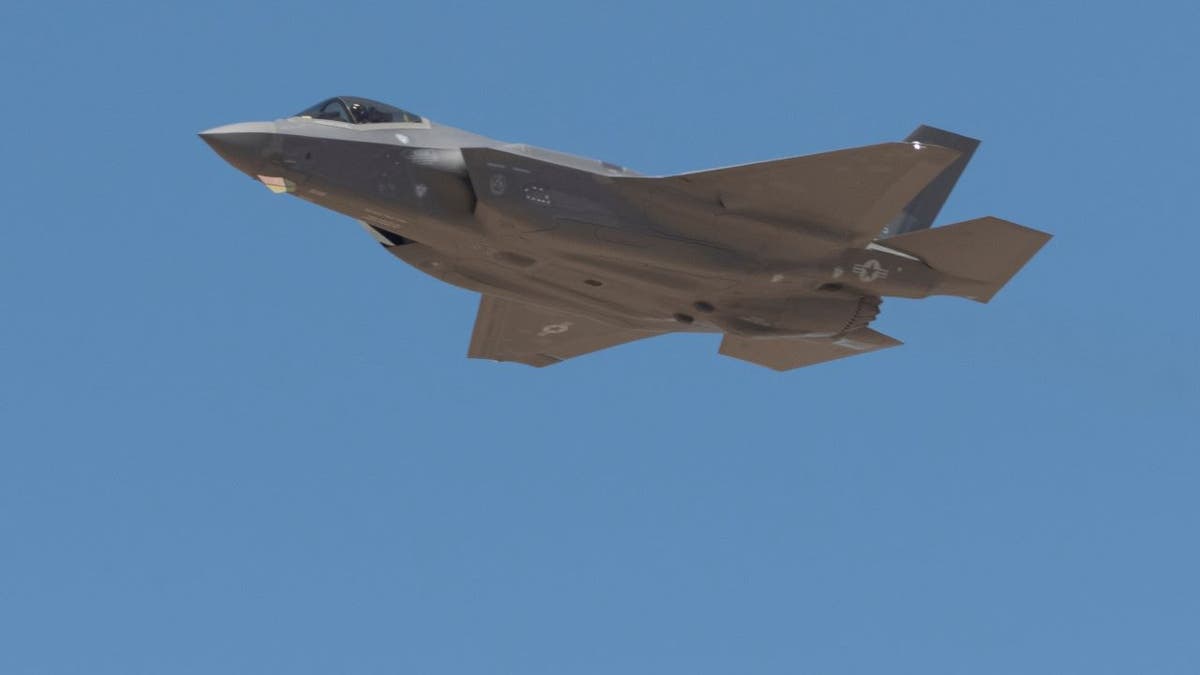
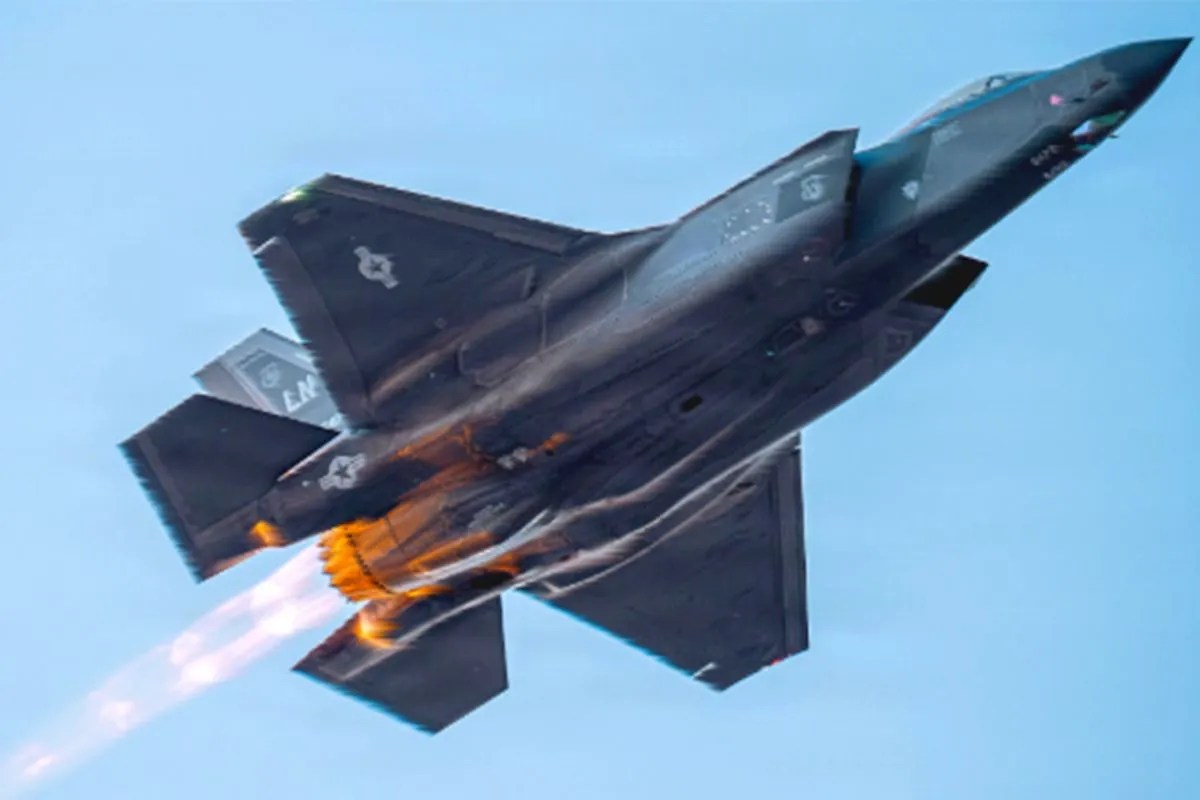
The defense establishment is currently obsessed with a single, flawed narrative: India needs a "bridge" to the fifth generation, and joining a European consortium like GCAP (Global Combat Air Programme) or FCAS (Future Combat Air System) is the only way to cross it. This is not just lazy thinking; it is a recipe for strategic suicide.
I have watched South Asian procurement cycles for two decades. I have seen the same mistakes repeated from the Mirage 2000 deal through the agonizing decade of the Rafale acquisition. The consensus says that joining a European program offers "technology transfer" and "interoperability." The reality? It offers a gold-plated seat on a slow-motion train wreck where India pays for European R&D while receiving "black box" components they can never touch or modify.
If New Delhi signs onto a European sixth-gen fighter, it isn't buying a plane. It is buying a permanent dependency on a continent that hasn't fought a high-intensity peer-to-peer war since 1945.
The Myth of the Equal Partner
The biggest lie in international defense is the "equal partnership." When the UK, Italy, and Japan talk about GCAP, or France and Germany bicker over FCAS, they are designing a platform for their specific needs: short-range intercepts over the North Sea or patrolling Mediterranean borders.
India’s geography is a different beast.
Operating a fighter from the searing heat of the Thar Desert to the oxygen-starved heights of the Himalayas requires specific engine tuning and airframe stresses that European designers treat as an afterthought. We saw this with the Eurofighter Typhoon during the original MMRCA (Medium Multi-Role Combat Aircraft) competition. It was technically impressive but struggled with the "hot and high" requirements that are bread and butter for the Indian Air Force (IAF).
When you join a consortium late, you are a customer with a fancy title. You don't get to decide the wing loading. You don't get to decide the radar aperture. You get to pay 25% of the bill and accept 100% of the design compromises.
Sovereignty is Not for Sale
The "Sovereign Requirement" is the phrase defense ministers love to throw around. But you cannot have sovereignty over a platform where the source code is locked in a vault in Munich or Warton.
Look at what happened with the integration of indigenous weapons on the Mirage 2000 and the Rafale. Every time India wants to integrate a local missile—like the Astra—it has to beg the original equipment manufacturer (OEM) for the interface protocols. They charge millions. They take years. They protect their market share by making it as difficult as possible for India to use its own tech.
A sixth-gen fighter is essentially a flying data center. If India does not own the "brain" of the aircraft, it does not own the aircraft. Period. Joining a European program means India’s most sensitive sensor data will be filtered through European-proprietary algorithms. In a conflict with a major power, do we really believe European capitals won't have a "kill switch" or a data-sharing backdoor?
The Stealth Delusion
The industry is currently fixated on stealth as the be-all and end-all. European programs promise "low observability" that will rival the F-35 or the J-20.
Here is the truth: stealth is a depreciating asset.
By the time GCAP or FCAS enters service—realistically the late 2030s or early 2040s—quantum radar and multi-static passive sensor nets will likely make current stealth shaping much less effective. If India sinks $20 billion into a European stealth airframe, it is betting the house on 1990s physics.
Instead of chasing the "stealth" ghost, India should be looking at what actually wins modern wars:
- Electronic Warfare (EW) Supremacy: The ability to blind the enemy is more valuable than trying to hide from them.
- Magazine Depth: A "sixth-gen" fighter that carries four internal missiles is useless if the enemy can throw forty cheap drones at it.
- Sensor Fusion: Owning the code that merges data from satellites, AWACS, and ground stations.
European programs are designed around a "quality over quantity" philosophy that fails the moment a real war starts. Look at the attrition rates in modern high-intensity conflicts. You cannot win a war with 36 exquisite, billion-dollar fighters that you are afraid to lose because you can't replace them.
The AMCA Argument: Hard Truths
Critics will say, "If we don't join Europe, we have to rely on the AMCA (Advanced Medium Combat Aircraft), and that's decades away."
Yes, the AMCA is behind schedule. Yes, the Tejas program was a masterclass in bureaucratic delay. But the solution to a slow domestic program is not to outsource your national security to a foreign one. The solution is to fix the domestic engine.
India’s problem isn't a lack of talent; it's a lack of accountability in the defense-industrial complex. If the money earmarked for a "partnership" with Europe was instead funneled into a dedicated, private-sector-led engine development program (perhaps in a joint venture with GE or Safran, but on Indian terms), the AMCA would actually fly.
The "lazy consensus" says it’s too hard to go it alone. I say it’s too dangerous not to.
The Cost of the "European Tax"
Every Euro spent on a foreign consortium is a Euro stolen from the Indian ecosystem.
When India bought the Rafale, it was a "mercy purchase" to plug a desperate gap. We can't keep making mercy purchases. The European defense industry is notoriously expensive because it supports European labor laws, European social nets, and European overheads. When India buys in, it is effectively subsidizing the French or British aerospace workforce.
The Math of Failure
Imagine a scenario where India commits to 100 aircraft in a European program:
- Development cost: $5-10 billion upfront.
- Unit cost: $200 million per airframe.
- Maintenance: Locked into a 40-year contract where spare parts are priced in Euros.
Total lifecycle cost? Easily north of $60 billion. For that price, India could build three entire aerospace cities, lure every top flight-control engineer from the diaspora back home, and build two different indigenous fighter prototypes.
Stop Asking the Wrong Question
The media keeps asking: "Should India join GCAP or FCAS?"
The better question is: "Why are we still trying to win the last war?"
The future of aerial combat is not a manned fighter with a pilot who has to breathe and worry about G-loads. It is a "loyal wingman" system—swarms of autonomous drones controlled by a central node. Europe is still debating how to make a manned cockpit look "futuristic."
India has a world-class software industry. It has a burgeoning space sector. It has the raw ingredients to skip the "sixth-gen" manned fighter race entirely and move straight to the Seventh Generation: fully autonomous, AI-driven, mass-produced aerial swarms.
By joining a European program, India binds itself to a 20th-century industrial model. It accepts a "follow the leader" role in a race that is already being disrupted by silicon and software.
The Path Forward
The "insider" move isn't to pick a side in the European civil war over fighter jets. The move is to walk away from the table.
India should double down on its own LCA Mark 2 for mass, finish the AMCA for its niche requirements, and pivot the rest of its budget to unmanned platforms and directed-energy weapons.
The Europeans need India more than India needs them. Their programs are starving for the "economies of scale" that only a massive Indian order can provide. Use that leverage. Don't sign a check for a seat at their table; tell them you're building your own table and they are welcome to sell you the legs—as long as the blueprints stay in New Delhi.
If India joins a European fighter program now, it isn't gaining a weapon. It is losing its future.
Stop trying to buy a "super-plane" from people who don't share your threats. Build the machine that fits the mission, or don't build it at all.