The open letter is the ultimate vanity project for an A-lister with a shrinking backend deal.
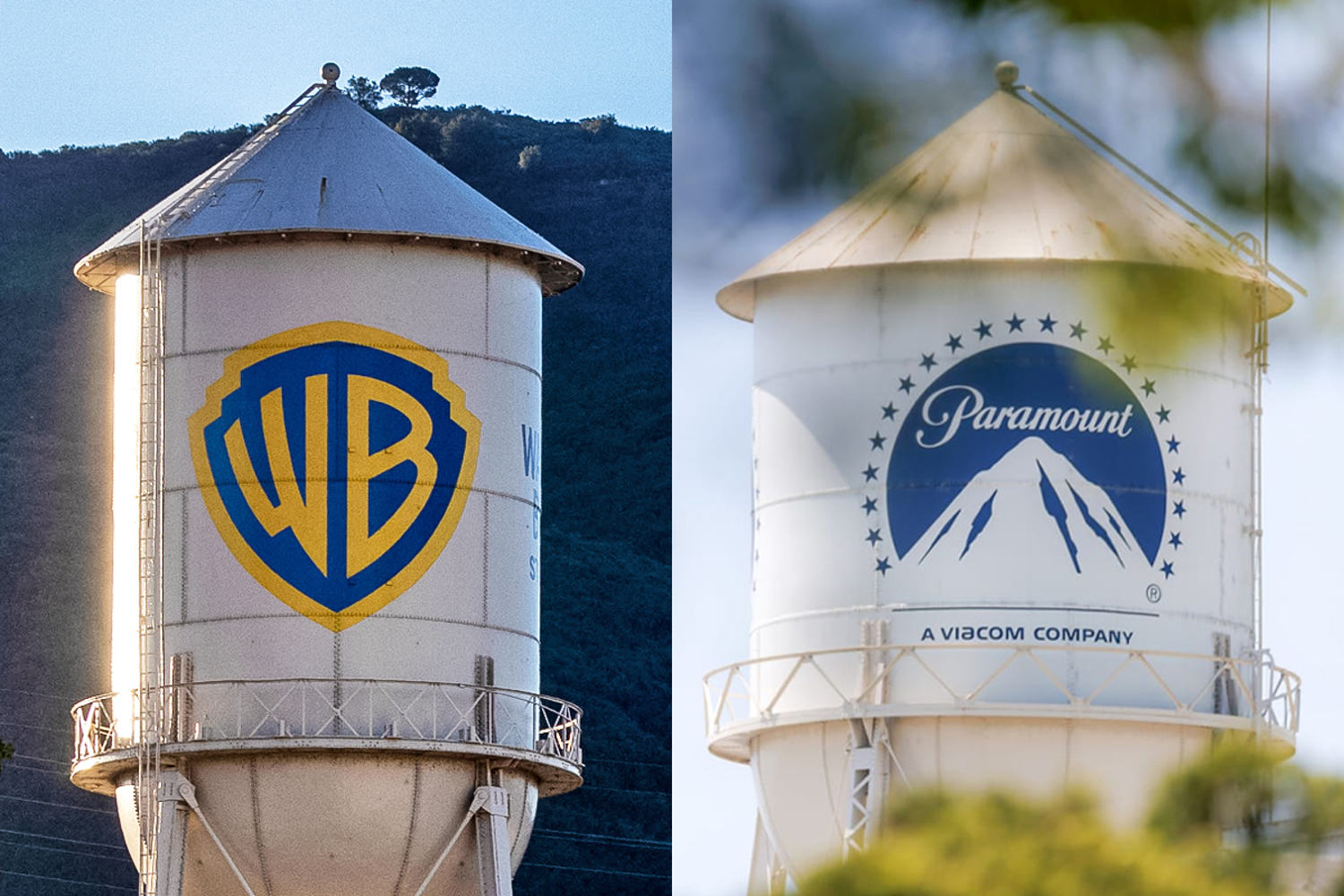
When you see a group of actors and directors signing a manifesto against a corporate merger, they aren't "saving cinema." They are trying to preserve a bloated, inefficient system that stopped being profitable years ago. The outrage over the potential union of Paramount and Warner Bros. Discovery (WBD) is framed as a fight for artistic diversity, but look closer. It’s a desperate attempt to maintain a bidding war environment that the math no longer supports.
The "lazy consensus" suggests that more studios equal more art. It’s a lie. More studios in the current debt-heavy environment just means more zombie companies shuffling toward bankruptcy.
The Myth of Competition in a Debt Trap
Critics argue that merging two of the "Big Five" will kill competition and hurt creators. That premise assumes these companies are healthy. They aren't. We are witnessing the fallout of the "Streaming Wars" era where every legacy media giant thought they could out-Netflix Netflix by spending billions they didn't have.
Warner Bros. Discovery is currently hauling a debt load of roughly $40 billion. Paramount Global has been on the block for months because its linear TV business—the cash cow that funded every "prestige" film of the 2000s—is evaporating.
Keeping them separate doesn't protect the "creative landscape." It guarantees that both will eventually be forced to slash production budgets to zero or sell their libraries to a tech giant like Apple or Amazon who views "art" as a loss leader for a Prime subscription or a headset.
A merger creates a balance sheet capable of actually producing a $200 million movie without risking the entire company's existence.
Diversity of Content is a Function of Capital Not Logos
The actors' letter claims that fewer studios mean fewer stories. This ignores the reality of how content is greenlit in the 2020s.
In the old system, you had a handful of gatekeepers. If you didn't fit the Universal or Fox mold, you were out. Today, the bottleneck isn't the number of logos at the start of a trailer. The bottleneck is the cost of customer acquisition.
By combining forces, a merged Paramount-WBD entity reduces the absurd overhead of running two separate, struggling streaming platforms. When you save $2 billion in redundant marketing and server costs, that money can—theoretically—be reinvested into actual production.
Will it be? Maybe. But staying separate ensures that money is spent on "Max" vs. "Paramount+" billboards in Times Square rather than on a script.
The A-Lister Blind Spot
Why are the stars really mad? It’s the "Profit Participation" problem.
I’ve seen the accounting on these deals. For decades, stars lived on "first-dollar gross" or "points" that relied on a massive theatrical window. The current fractured market has destroyed that. Stars want more bidders so they can drive up their upfront fees because they know the backend is dead.
They are signatures on a letter because they want to maintain a high-price auction environment. They aren't worried about the "integrity of the craft"; they are worried about the fact that a consolidated studio has more leverage to say "no" to a $30 million salary for a movie that will only stream on a Tuesday.
Why Monopoly Concerns are Twenty Years Out of Date
The DOJ and the protesting actors are fighting a war against 1990s-style monopolies while ignoring the 800-pound gorillas in the room.
- YouTube dominates more "screen time" than Warner and Paramount combined.
- Netflix has a market cap that dwarfs the legacy players.
- TikTok owns the attention span of the next generation.
Blocking a merger between two legacy studios to "preserve competition" is like banning two local bookstores from merging while an Amazon warehouse sits across the street. It’s an exercise in futility.
The real threat to "cinema" isn't a consolidated studio. It's an irrelevant studio. A merged entity has the scale to negotiate with theater chains, the library depth to keep subscribers from churning, and the data to actually market a mid-budget film effectively.
The Brutal Truth About "Independent" Spirit
The letter mentions the "loss of the independent voice."
Let’s be precise. Most "independent" films produced by major studios are subsidized by the profits of massive, mind-numbing blockbusters. If the blockbusters stop making money because the studio's distribution arm is broken and the debt interest is too high, the "indie" label goes first.
I’ve sat in the rooms where these cuts happen. The "Artistic Division" is always the first line item to get crossed out when the debt-to-equity ratio gets shaky. Consolidation provides a shield for those smaller projects by stabilizing the core business.
The Actionable Reality
If you are a creator in this environment, stop looking at the Paramount-WBD merger as the end of days. Start looking at it as the final signal that the "Content Gold Rush" is over.
- Pivot to Ownership: Stop chasing the upfront payday from a dying studio. Negotiate for actual equity or rights reversals.
- Follow the Distribution: Scale is the only thing that matters now. A larger, merged platform gives your work a better chance of being seen by 100 million people than two platforms with 50 million each that are both losing money.
- Ignore the Celebrity Noise: The people signing these letters are usually the ones who already have their millions. They are protecting a status quo that worked for them in 2005. It doesn't work for you in 2026.
The merger isn't a "threat to democracy" or "the death of the dream." It’s a necessary, painful consolidation of a bloated industry that refused to innovate until it was too late.
If the stars want to save Hollywood, they should stop signing letters and start taking pay cuts to fund the very "diverse stories" they claim to protect. Until then, the merger is the only logical path forward for two companies currently drowning in the wake of the tech giants.
Let the logos merge. The alternative isn't "more art"—it's a fire sale.