In a dusty archive, time usually feels like a flat line. There is a specific smell to it—a mixture of vanilla-scent decay and cold, uncirculated air. For decades, the private papers of Iris Murdoch sat in these quiet spaces, categorized and cataloged, offering the world a glimpse into the mind that gave us The Sea, the Sea. We thought we had the full map of her brilliance. We were wrong.
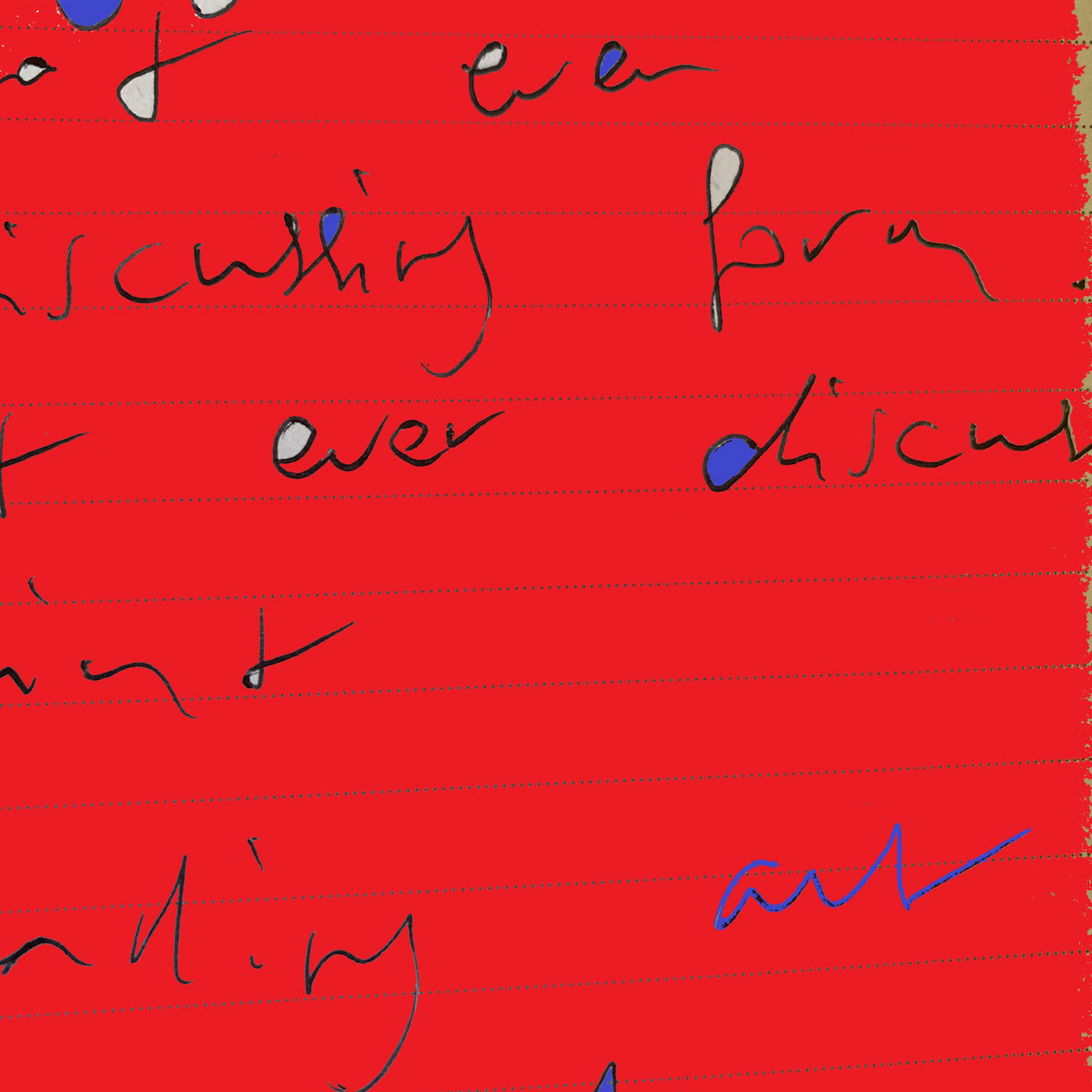
Buried within the margins of her life were ghosts. Not the metaphorical kind that haunt a novelist's plot, but literal, handwritten verses that Murdoch never intended for the public eye during her lifetime. These lost poems, recently unearthed and set to be performed at an upcoming literary festival, represent more than just "new content" for the academic machine. They are a bridge back to a woman who was slowly being erased by the very mind that made her famous.
To understand why a few scraps of verse matter, you have to look at the tragedy of her final years.
The Slow Fading of a Titan
Iris Murdoch didn't just write books; she constructed moral universes. She was a philosopher-queen who wrestled with the nature of "The Good" while navigating a personal life that was, by all accounts, a chaotic swirl of intense friendships and secret loves. Then came the fog. Alzheimer’s disease is a thief that doesn’t take everything at once. It nibbles. It starts with a misplaced word, a forgotten appointment, and eventually, it swallows the ability to tell a story.
By the time she passed in 1999, the image the public held was of a woman who had lost her grip on the language she once commanded. We remembered the decline. We remembered the heartbreaking memoirs written by her husband, John Bayley. We forgot that before the silence, there was a frantic, hidden period of creation.
These poems are the evidence of that struggle.
Consider a hypothetical writer—let’s call her the Architect. For fifty years, the Architect builds cathedrals of prose. She knows where every stone goes. Then, a storm rolls in. The blueprints start to dissolve in the rain. Most people would stop building. But the Architect, driven by a muscle memory she can’t explain, starts carving small, jagged symbols into the foundation stones. They aren't cathedrals anymore. They are prayers. They are screams.
That is what these poems represent. They are the carvings in the foundation.
The Archive’s Secret
The discovery of these works wasn't a cinematic moment involving a hidden compartment in a roll-top desk. It was the result of a slow, methodical peeling back of layers by scholars who refused to believe the well was dry. Yoel Hoffmann and other researchers found these verses tucked away, some scribbled on the backs of letters, others hidden in the dense thicket of her notebooks.
They reveal a Murdoch who was experimenting with form in a way her novels rarely allowed. In her fiction, she was the puppet master, maintaining a cool, intellectual distance even when her characters were drowning in passion. In these poems, the mask slips. The lines are raw. They deal with the visceral reality of aging, the terror of losing one's identity, and the persistent, nagging hum of desire that doesn't disappear just because the body grows frail.
The upcoming festival reading isn't just a recital. It is an act of restoration. When an actor stands on that stage to give voice to these words, they are pulling Murdoch out of the "tragedy" category and putting her back into the "creator" category. It challenges the narrative that her final years were a void.
Why We Cling to the Fragments
There is a reason we obsess over the "lost" works of great artists. It’s not just scholarly curiosity. It’s a refusal to accept that a voice can truly be silenced. We want to believe that even when the brain fails, the soul keeps typing.
When we read a standard news report about "lost poems," the brain registers a fact. We check a box. But when we look at the context—the sheer human effort required for a woman losing her sense of self to pin a thought down on paper—the fact becomes a heartbeat.
Murdoch once wrote that "art is the only thing that is genuinely secret and yet which we can all share." These poems were her last secrets. They are the private dispatches from a sinking ship, typed out on a manual typewriter or scratched with a pen before the lights went out for good.
The stakes are invisible but massive. If we only value the works produced at the height of an artist's powers, we miss the most profound part of the human experience: the persistence of the will. These poems prove that Murdoch was a writer until the neurons stopped firing. She didn't go gentle. She went writing.
The Texture of the Unspoken
If you sit in the audience at the festival, you won't just hear rhymes. You will hear the sound of a woman trying to find her way home through a blizzard.
The poems deal with her relationship with Bayley, her thoughts on the divine, and the persistent beauty of the physical world—the "stuff" of life that she clung to as her abstract philosophy began to crumble. There is a specific kind of bravery in a philosopher turning to poetry. Philosophy is an attempt to solve the world; poetry is an admission that the world cannot be solved, only felt.
In one sense, the discovery of these papers is a rebuke to our modern obsession with "clean" legacies. We want our icons to be perfect, then we want them to disappear. We don't like the messy middle ground of decay. But Murdoch’s lost verses embrace the mess. They are unpolished. They are occasionally repetitive. They are human.
We often treat the archives of the famous as if they are static museums. We forget that every page was once wet with ink and held by warm hands. To read these poems now, decades after the hand that wrote them has turned to dust, is a form of time travel. It is a way of saying to the fog of dementia: You didn't get everything.
The Echo in the Hall
The festival organizers know that the draw isn't just the "newness" of the material. It’s the intimacy. In a world of AI-generated content and polished, ghost-written celebrity memoirs, there is a hunger for the authentic, unvarnished output of a singular mind.
We live in an age where we are terrified of being forgotten. We curate our digital footprints, backing up every photo to a cloud we hope is eternal. Murdoch had no cloud. she had paper. She had the hope that someone, eventually, would care enough to look past the "Standard Murdoch" and find the woman underneath.
The upcoming performance serves as a reminder that the story is never really over. A life as complex as Iris Murdoch’s doesn’t have a final chapter that ends with a period. It ends with an ellipsis.
The poems are that ellipsis.
They are the proof that even when the cathedrals of our minds fall into ruin, there is something in the rubble that still vibrates. There is a frequency that survives the decay.
As the lights dim in the theater and the first line of a "lost" poem is read aloud, the dust of the archive will finally blow away. For a few minutes, the fog will lift. The Architect will be back in the room, carving her name into the stone, making sure we know she was there, and that she was still building, even in the dark.
The ink is dry, but the blood in the words is still warm.