The moon sighting that signals the end of Ramadan usually sparks a wave of pure, unadulterated celebration across the globe. You see the vibrant lights in Jakarta, the massive street festivals in Cairo, and the crowded prayer mats in London. But this year, the atmosphere felt fundamentally different. While millions of Muslims still donned their best clothes and shared traditional sweets, the shadow of the conflict in Gaza hung heavy over every gathering. It wasn't just a holiday. It was a masterclass in how a global community maintains its faith and traditions while simultaneously grieving for those across the border.
You can't talk about Eid al-Fitr 2024 without acknowledging the elephant in the room. In past years, the focus was almost entirely on the feast after the fast. This time, the "Fitr" part—the breaking of the fast—carried a bitter taste for many who were acutely aware that thousands in the Middle East are facing actual, forced starvation. The usual "Eid Mubarak" greetings were frequently followed by prayers for peace, turning a day of celebration into a day of profound global solidarity.
Faith under fire in the ruins of Gaza
In Gaza itself, the scenes were haunting. Imagine trying to celebrate a holiday when your neighborhood is literally a pile of grey concrete and twisted rebar. There were no grand mosques left standing in many districts, so people prayed in the mud, under plastic tarps, or in the middle of debris-strewn streets. Children, who usually expect new clothes and toys, often walked barefoot or in the same tattered outfits they've worn for months.
I saw reports of parents in Rafah trying to make "ka'ak" (traditional Eid cookies) over open fires using the meager rations they had left. It’s a gut-wrenching sight. They aren't just making cookies. They're trying to reclaim a sliver of normalcy for their kids in a situation that is anything but normal. The resilience is staggering. Even with the constant hum of drones overhead, the "Takbir" prayers echoed through the tent camps. It’s a reminder that for many, faith isn't a luxury—it’s the only thing left when everything else is stripped away.
Jerusalem and the tension at Al Aqsa
The Al-Aqsa Mosque compound in Jerusalem is always a flashpoint, but during this Eid, the tension was dialed up to an eleven. Despite heavy restrictions and a massive security presence, tens of thousands of worshippers made their way to the site. You have to understand the geography here to get why this matters. For Palestinians, Al-Aqsa isn't just a religious site. It’s a symbol of their national identity and their persistence.
Walking through the Old City, you’d usually see stalls overflowing with toys and sweets. This year, many shopkeepers reported a massive drop in sales. People weren't in a "buying" mood. The celebratory spirit was replaced by a somber, quiet dignity. When the prayers ended, there weren't the usual parades. Instead, there were quiet huddles of people talking about the news from the south. It felt less like a party and more like a vigil.
How the rest of the world adjusted the volume
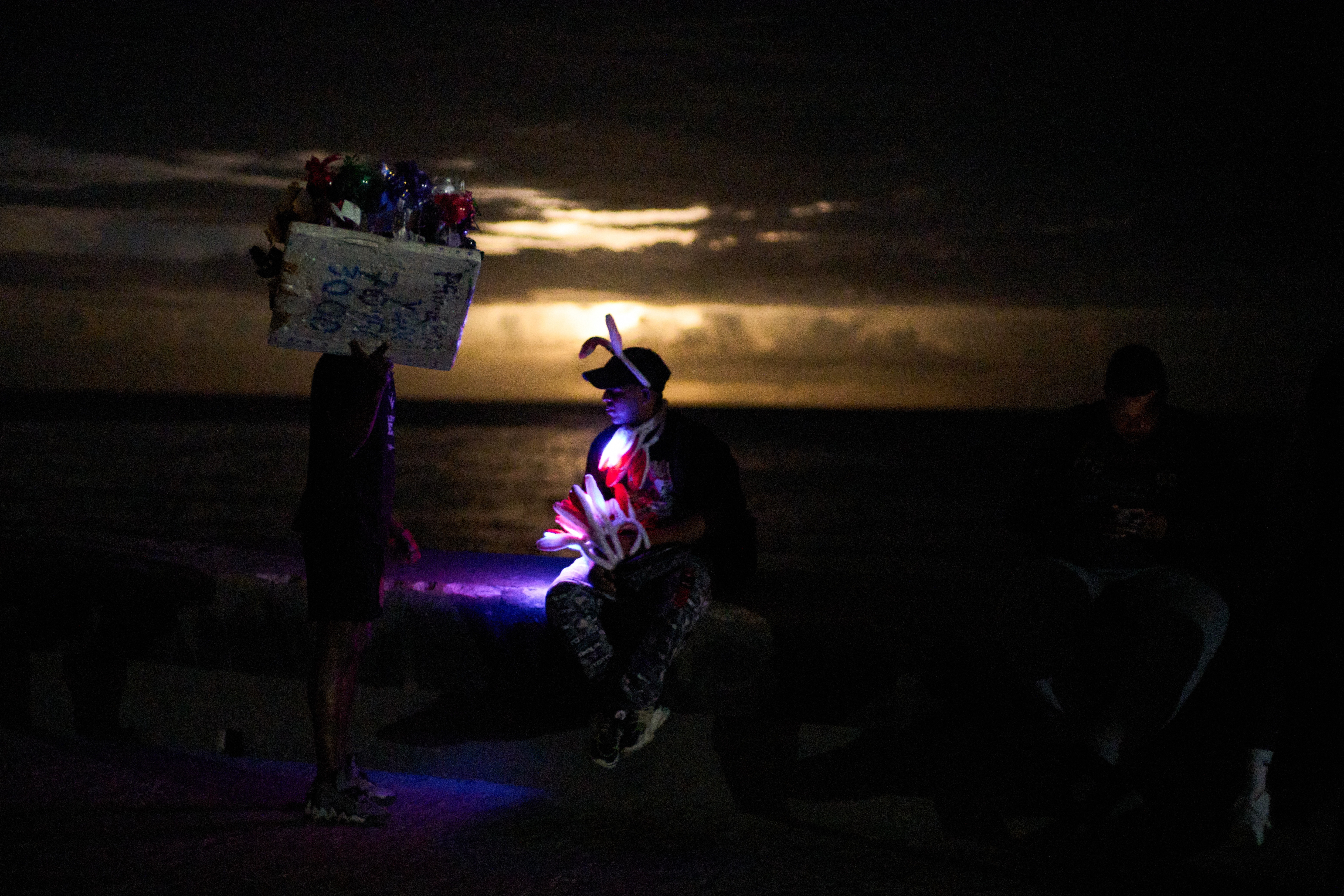
Outside the immediate conflict zone, the rest of the Muslim world didn't just ignore what was happening. From Istanbul to New York, the celebrations were intentionally scaled back. In Turkey, many municipalities canceled the usual concerts and large-scale public entertainment out of respect for the casualties in Gaza. You saw it in the fashion choices too. Many people opted for more modest or traditional dress rather than the flashy, high-end outfits that usually dominate the holiday.
In Southeast Asia, particularly in Malaysia and Indonesia, the "Mudik" (the massive annual exodus to home villages) still happened. Millions of people traveled days to be with their families. But the sermons in the big mosques in Jakarta weren't just about personal piety. They were political. Imams spoke openly about the duty of the "Ummah" (the global Muslim community) to support those suffering. It’s a shift from the individual to the collective that we haven't seen this clearly in years.
The economics of a somber holiday
If you look at the data, the "Eid economy" took a hit in several regions. Usually, the weeks leading up to the holiday see a massive spike in retail spending. This year, inflation combined with a general sense of unease led to a more conservative approach. People spent less on gifts and more on charitable donations.
Charity, or Zakat al-Fitr, is a requirement of the holiday, but the sheer volume of funds being redirected specifically toward Palestinian relief agencies was unprecedented. Organizations like Islamic Relief and various Red Crescent societies saw a surge in localized giving. People felt that if they couldn't physically help, they could at least ensure their "Eid money" went to those who actually needed it to survive.
Why this Eid matters for the future
This wasn't a "failed" holiday. In fact, it might be one of the most significant Eids in recent memory. It proved that the holiday is more than just a break from fasting. It’s a cultural glue that holds people together across massive geographic and political divides. When you see a family in a London suburb praying for a family in a tent in Gaza, that’s a powerful connection that transcends simple religious ritual.
The "shadow" of the war didn't just dampen the mood. It redefined what the celebration is about. It stripped away the commercialism that has been creeping into Eid for decades and brought it back to its core: gratitude, community, and empathy. You don't need a five-course meal to have a meaningful Eid. Sometimes, just being alive and being together is enough.
The reality of the diaspora
For Muslims living in the West, this Eid felt like living in two worlds at once. You have your local community, your job, and your kids who want to go to the theme park or the mall. But then you check your phone and see the latest casualty counts. It creates a weird kind of survivor's guilt. I’ve talked to people who felt "wrong" for enjoying a nice meal while watching the news.
The way many handled this was through community activism. Eid lunches became fundraisers. Kids' parties included educational components about history and heritage. It’s a way of integrating the pain into the celebration rather than trying to pretend it’s not there. It’s messy, it’s emotional, and it’s deeply human.
Moving forward after the festivities
Now that the prayer rugs are rolled up and the leftovers are in the fridge, the real test begins. The "spirit of Ramadan" is supposed to last the whole year, not just the thirty days of fasting. This year, that means keeping the focus on the humanitarian crisis that hasn't ended just because the holiday did.
If you want to do something that actually matters, don't just post a hashtag. Look into local community groups that are providing direct aid. Check the transparency ratings of charities on sites like Charity Navigator before you send money. The holiday is over, but the need for that "global solidarity" we saw on display is higher than ever. Stay informed, stay active, and don't let the end of the festive season be the end of your concern for what's happening in the world.