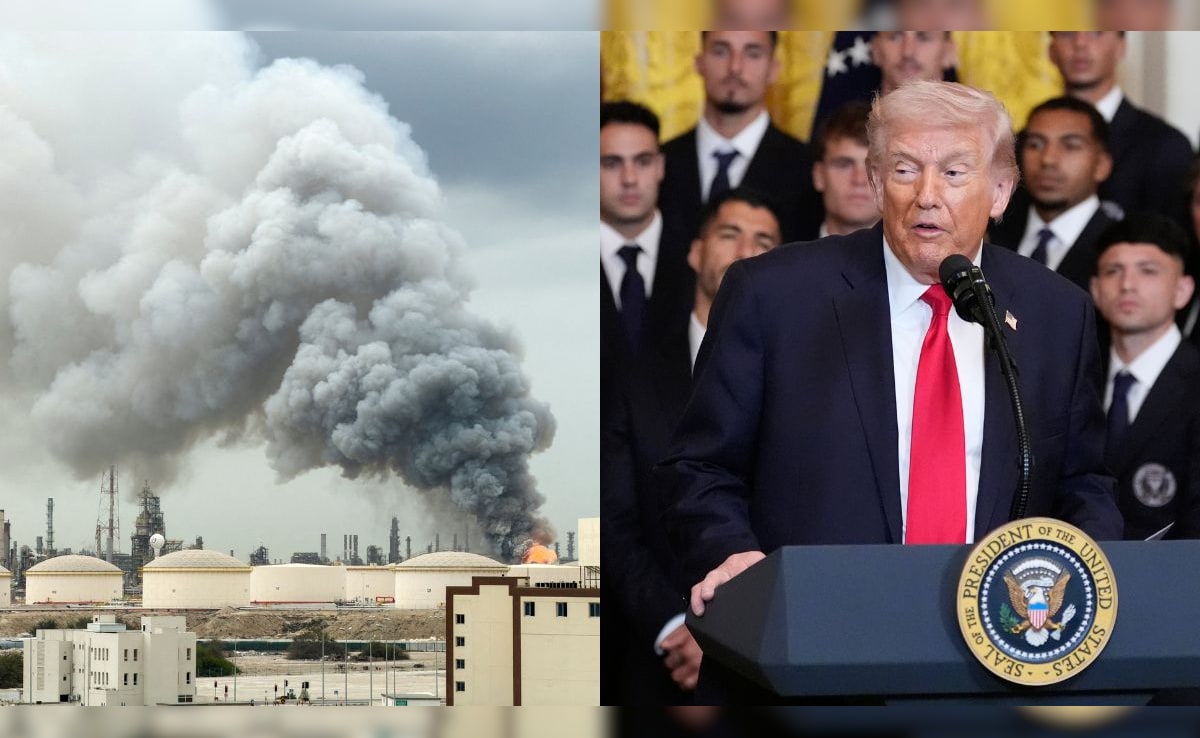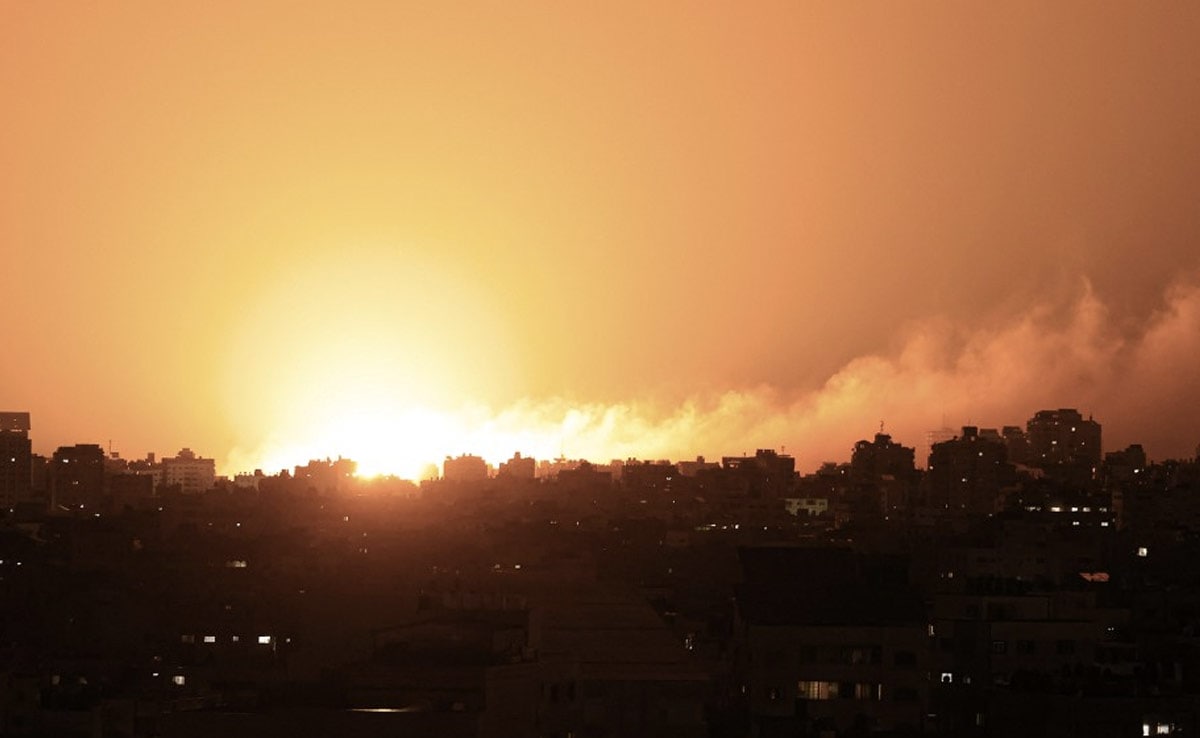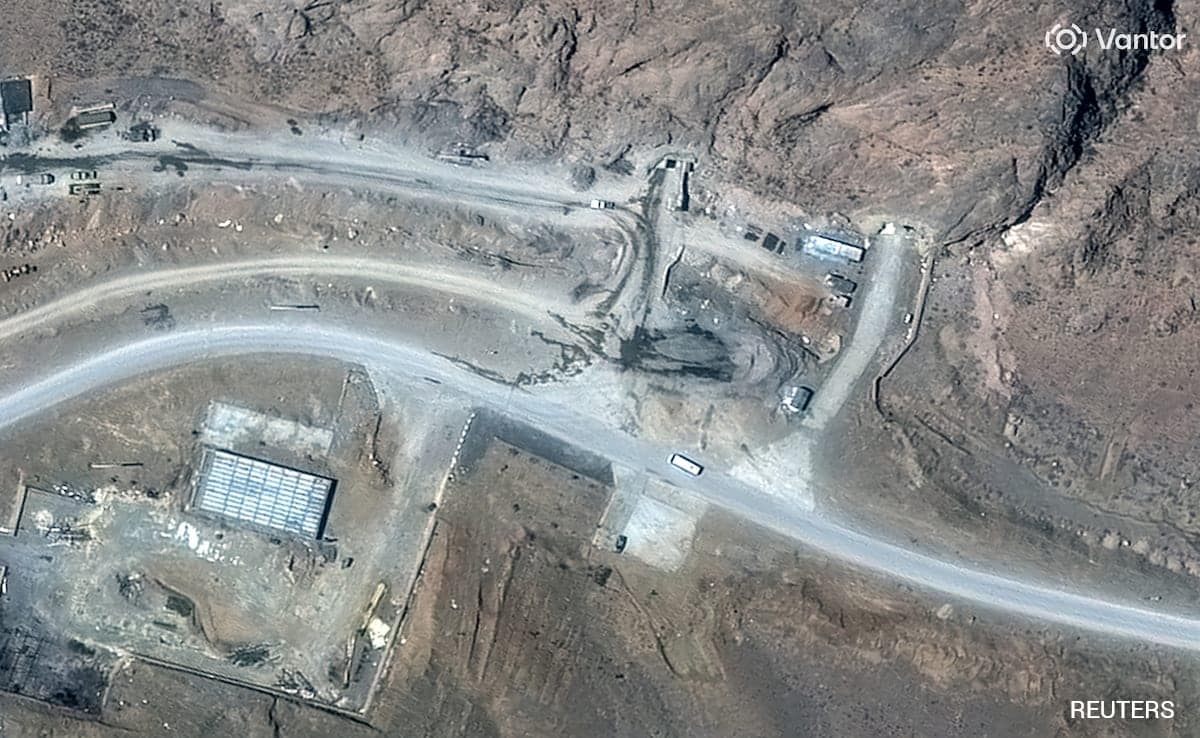
The recent missile and drone strikes targeting military facilities in Isfahan have done more than just ignite a few warehouses. They have physically shattered the diplomatic immunity of the Russian Federation. In an escalation that few predicted, the Russian Consulate in Isfahan sustained significant structural damage during the bombardment. While the intended targets were Iranian defense assets—specifically those linked to the production of Shahed loitering munitions—the collateral impact on a permanent member of the UN Security Council’s sovereign property marks a dangerous shift in the regional shadow war. This isn't just a stray piece of shrapnel. It is a loud, kinetic message that the traditional red lines protecting high-level diplomatic outposts are blurring in the face of modern, high-intensity precision strikes.
Moscow has reacted with predictable fury. The Kremlin quickly labeled the incident a "blatant violation" of international law and the Vienna Convention. Yet, beneath the official protests lies a far more uncomfortable reality for Vladimir Putin. Russia, currently mired in its own protracted conflict, is finding that its strategic partnership with Tehran comes with a physical price tag. By embedding its diplomatic and technical personnel so close to Iranian military infrastructure, Russia has effectively turned its consulates into front-row seats for a conflict it cannot fully control.
The Architecture of Proximity
The damage to the Russian Consulate wasn't necessarily the result of a missed shot. In the dense urban and industrial layout of Isfahan, military research centers sit uncomfortably close to civilian and diplomatic zones. This is by design. Iran has long utilized "passive defense" strategies, placing high-value military assets in proximity to locations that should, theoretically, be off-limits to foreign attackers.
For years, this worked. Adversaries would hesitate to pull the trigger if there was a risk of killing Russian diplomats or hitting a facility flying the Russian flag. That hesitation has evaporated. The precision of the munitions used in the Isfahan strike suggests a level of confidence by the attackers—widely believed to be linked to Israeli intelligence—that they could thread the needle. They hit the target, and if the Russian consulate's windows blew out or its walls cracked from the overpressure, that was considered an acceptable risk.
This marks a transition from the era of "plausible deniability" to "aggressive transparency." The attackers are no longer worried about the diplomatic blowback from Moscow because Russia's moral and political leverage has been significantly eroded on the global stage. When you are accused of violating the sovereignty of your neighbors, it becomes much harder to rally the international community when your own consulate gets caught in the crossfire of a third-party's drone strike.
Tehran and Moscow's Fragile Military Marriage
The relationship between Iran and Russia is often portrayed as a monolithic alliance of convenience, but the Isfahan incident exposes the friction points. Russia relies on Iran for the very drones being manufactured in the facilities that were targeted. Iran, in turn, seeks Russian Su-35 fighter jets and S-400 missile defense systems to prevent exactly these kinds of incursions.
The fact that these strikes were successful, and that Russian property was damaged in the process, highlights a massive gap in Iran’s domestic air defense. It also raises questions about why Russian-made electronic warfare suites—reportedly active in the region—failed to spoof or intercept the incoming threats.
The Technical Failure
- Detection Gaps: Small, low-flying quadcopters or stealthy cruise missiles often bypass traditional radar arrays.
- Kinetic Limits: Point-defense systems like the Russian-made Pantsir are supposed to be the final layer of protection, yet they were notably absent or ineffective during the Isfahan breach.
- Intelligence Leakage: The precision of the strikes suggests the attackers had real-time data on the exact coordinates of the most sensitive equipment inside the Iranian labs.
Moscow isn't just angry about a damaged building; they are embarrassed. Their junior partner’s "impenetrable" military sites were punctured while a Russian mission sat right next door. It suggests that the "Russian Shield" is no longer a deterrent in the Middle East.
The Violation of the Vienna Convention as a Prop
International law is often the first casualty of war, but it is also the first tool used in the aftermath. Russia’s invocation of the Vienna Convention on Consular Relations is a tactical move to regain some semblance of the high ground. Under Article 31, the person of a consular officer is supposed to be "inviolable," and the premises are supposed to be protected from "intrusion or damage."
However, the legal gray area is expanding. If a state uses its diplomatic premises to coordinate military activity—as Western intelligence agencies have frequently alleged regarding Iranian and Russian cooperation—the "inviolability" of those premises becomes a subject of intense debate among legal scholars. While there is no public evidence that the Isfahan consulate was being used for military purposes, its location makes it a de facto shield for the neighboring defense complex.
The international community's response has been muted. Gone are the days when a strike near a Russian consulate would trigger emergency sessions of the UN Security Council with universal condemnation. Instead, the world is watching with a sense of grim pragmatism. If Russia is providing the tools for conflict elsewhere, the logic goes, it cannot expect its own outposts to remain sanctuaries of peace when those tools are struck at the source.
The Drone Connection
To understand why Isfahan was hit, you have to look at the battlefields thousands of miles away. The facility in Isfahan is a known hub for the Shahed-136 and Shahed-131 programs. These drones have become the primary instrument of Russian long-range strikes against Ukrainian infrastructure.
By hitting Isfahan, the attackers are effectively engaging in a "counter-proliferation" strategy. They are cutting the supply chain at the manufacturing level. The damage to the Russian consulate is a secondary effect of a primary mission to degrade the Russo-Iranian military industrial complex. This is "industrial warfare" by other means. It bypasses the front lines and targets the boardrooms and the assembly lines.
The Escalation Ladder
We are entering a phase where the "rules of the game" are being rewritten in real-time. Previously, an attack on a consulate was an act of war. Now, it is increasingly viewed as "unfortunate collateral." This shift is incredibly dangerous for global stability. If diplomatic missions are no longer safe zones, the entire framework of international communication breaks down.
Russia is now faced with a series of bad options.
- Retaliation: Moscow could attempt to strike back at the interests of the perceived attackers, but their resources are currently overextended.
- Relocation: They could move their diplomatic missions away from military hubs, but that would signal a lack of confidence in Iranian security.
- Silence: They could issue their protests and then do nothing, which further diminishes their standing as a global power.
None of these choices are particularly appealing to a leader who prides himself on projecting strength.
Shadows and Mirrors
The strike in Isfahan also serves as a distraction. While the world focuses on the damaged consulate and the "blatant violation" of norms, the actual technological gains made by the attackers go unexamined. What kind of signature-reducing materials were used on the drones? How did they manage to navigate the GPS-jammed environment of central Iran?
The consulate damage provides a convenient smoke screen. It allows the Iranian government to play the victim and the Russian government to play the indignant protector. But for the defense analysts in Washington, Tel Aviv, and Riyadh, the real story is the failure of the Iranian-Russian integrated defense network.
The Shadow War Goes Kinetic
For decades, the conflict between Iran and its rivals was fought through proxies, cyber-attacks, and assassinations in third countries. That era is over. The war has moved into the heart of the Iranian plateau. The Isfahan strikes prove that no facility is out of reach, and no flag is a sufficient deterrent.
The "Blatant Violation" headline is technically correct under the letter of the law, but it misses the broader geopolitical context. This wasn't a mistake. It was a calculated assessment of the value of Russian indignation versus the value of destroying a drone factory. The attackers decided that the factory was worth more.
This reality should be chilling for diplomats worldwide. We are moving into a period where the physical safety of a mission is determined not by a treaty signed in 1963, but by the proximity of that mission to a drone assembly line. The maps are being redrawn, and they are being redrawn with fire.
If Russia cannot protect its own consulate in a country where it is supposedly the premier military partner, the message to other nations is clear. The old world order is not just under pressure—it is being actively dismantled. The debris in Isfahan is merely the most recent piece of the wreckage.
Check the structural integrity of your own red lines. Because in Isfahan, they just turned to dust.