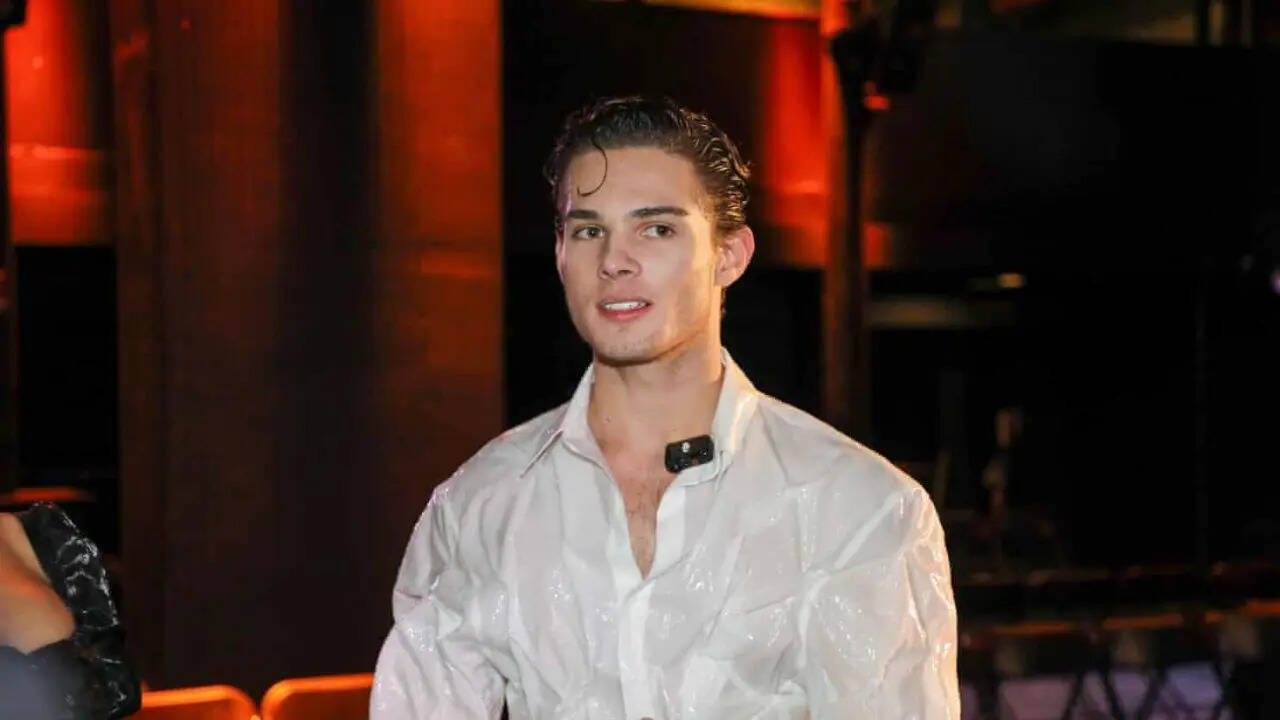
Clavicular just reminded everyone why live interviews are a high-stakes gamble for creators who haven't figured out their public identity. If you haven't seen the clip yet, it’s a masterclass in how to lose your cool when you feel cornered. During a recent sit-down, the streamer didn't just get annoyed. He completely spiraled after the interviewer tried to draw a parallel between his content style and the brand of "masculinity" pushed by Andrew Tate. It wasn't pretty. People are calling him insecure, but the reality is more complicated than a simple ego bruise.
The internet is currently a polarized mess. You're either in one camp or the other. When an interviewer tries to box a creator into a controversial niche, the reaction tells you everything you need to know about that creator's self-awareness. Clavicular’s mistake wasn't just getting mad. It was failing to realize that by reacting so explosively, he validated the very comparison he was trying to dodge. If you want to distance yourself from a "tough guy" persona, screaming at a host isn't the way to do it.
The moment Clavicular lost his grip
It started with a fairly standard question about influences. The interviewer brought up the "Manosphere" and asked how Clavicular handles the constant comparisons to Tate. Instead of a calm pivot, Clavicular’s face shifted instantly. He didn't just disagree; he got defensive in a way that felt deeply personal. He started talking over the host, his voice rising with every sentence.
"I'm my own person," he snapped. That's a fair point. But he didn't stop there. He went on a three-minute rant about how the media tries to "package" creators. The irony was thick enough to cut with a knife. He wanted to prove he wasn't a "Tate clone," yet he used the same aggressive, confrontational rhetoric that defines that specific corner of the web. It was a total train wreck.
Audiences today are hyper-sensitive to authenticity. We can smell a lack of confidence from a mile away. When Clavicular started fidgeting and checking his phone mid-argument, he lost the room. It looked small. It looked like someone who hadn't done the internal work to understand why those comparisons exist in the first place.
Why the Andrew Tate link is a trap for modern streamers
You can't blame influencers for being frustrated by the Tate shadow. It's massive. It hangs over every male creator who talks about fitness, money, or self-improvement. But getting angry about it is a tactical error.
Think about how other creators handle this. Some lean into it for the rage-bait clicks. Others ignore it entirely. Clavicular tried to do both and failed at both. He wants the "alpha" aesthetic but recoils when the baggage of that aesthetic shows up at his door. You can't have the edgy, confrontational brand without people asking where that edge comes from.
- Streamers often forget that interviews aren't streams.
- You don't have a chat to back you up.
- The silence after a blow-up is deafening.
If you're building a brand on being "unfiltered," you have to be ready for the filter-free questions. Clavicular clearly wasn't. He expected a puff piece and got a mirror instead. He didn't like what he saw.
The insecurity label and what it means for his brand
The word "insecure" is being thrown around Twitter and Reddit like a frisbee. It’s a hard label to shake. For a creator whose audience is built on the idea of strength and self-assuredness, looking rattled is a death blow to credibility.
Clavicular’s fans are defending him, saying the interviewer was "reaching." Maybe they were. But a seasoned pro knows how to handle a reach. You laugh it off. You give a boring, PR-friendly answer that kills the momentum of the question. You don't give the interviewer the exact clip they need to go viral for all the wrong reasons.
This meltdown is a symptom of a larger problem in the creator economy. Too many people are getting famous before they’ve developed a thick skin. They spend all day in an echo chamber of their own making. When they finally step outside and someone asks a challenging question, they crumble. They treat a question like an assault. It’s not an assault; it’s a conversation.
Breaking the cycle of the angry creator
If Clavicular wants to fix this, he needs to stop talking about it. Every "response video" or follow-up tweet just feeds the fire. He needs to show, not tell.
The problem with the "insecure" tag is that it sticks because it feels true in the moment. When you see a grown man unable to handle a comparison to another public figure without shouting, you don't think "strong leader." You think "sensitive ego."
Here is what actually works for personal branding in 2026. Be boring when people try to bait you. Radical transparency only works if you have the emotional intelligence to back it up. If you don't have that yet, stay away from live interviews. Stick to the scripted stuff until you can hear a name you don't like without your heart rate hitting 120.
Creators should take this as a warning. Your "brand" isn't just your aesthetic or your catchphrases. It's how you handle the 10% of the time when things aren't going your way. Clavicular showed his cards, and they weren't the winning hand he thought they were. He needs to recalibrate.
The next time a creator gets compared to a controversial figure, they should take a breath. Answer the question with a joke. Move on. Don't become the meme. Once the internet decides you're the guy who can't take a joke, the joke is always going to be on you.
Watch the footage again. Pay attention to the body language. The crossed arms, the darting eyes, the sharp tone. That’s the anatomy of a branding disaster. If you're a creator, study it. Then do the exact opposite. Build a brand that can stand on its own feet without needing to kick anyone else’s. That’s real influence. Anything else is just noise.
Stop letting interviewers dictate your emotional state. If you know who you are, a comparison shouldn't shake you. If it does, maybe you aren't as sure of yourself as you tell your followers you are. Go back to basics. Focus on the content. Let the noise die down. It’s the only way out of the corner you kicked yourself into.