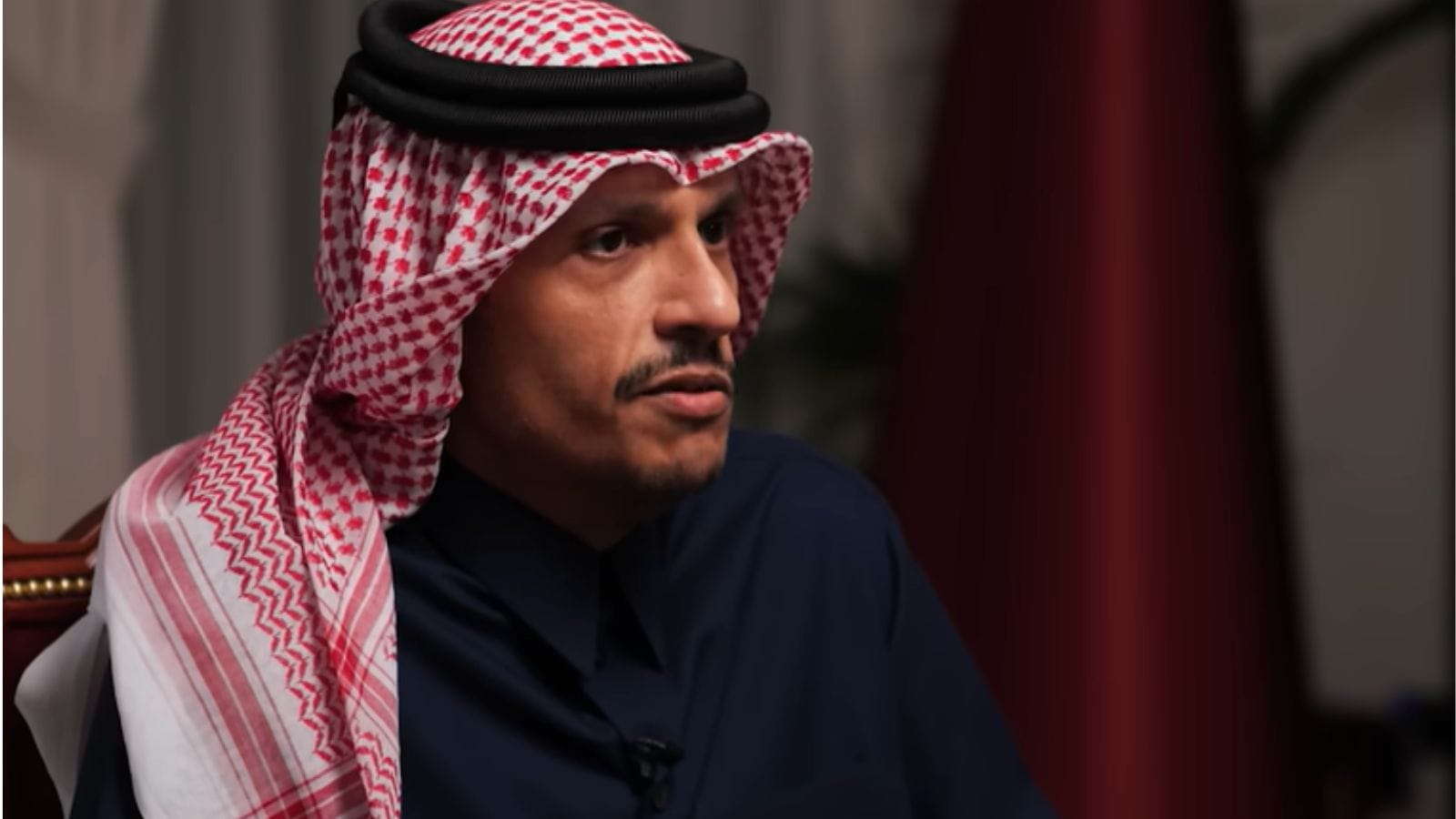
Geopolitics is not a soap opera. When Prime Minister Abdulrahman al Thani speaks of a "sense of betrayal" regarding Iranian strikes, he isn't crying over a broken friendship. He is executing a calculated pivot in a regional theater where outrage is the most valuable currency.
The mainstream media loves the "betrayal" narrative. It’s easy to digest. It paints a picture of a stable Gulf state suddenly blindsided by a rogue neighbor. It suggests that diplomatic norms were violated and that the "rules-based order" has been mocked. Read more on a similar topic: this related article.
This is a fundamental misunderstanding of how power functions in the Middle East. There is no betrayal because there was never any genuine trust to begin with. What we are seeing is the friction of two survivalist strategies grinding against each other.
The Illusion of the Mediator
Qatar has long positioned itself as the "Indispensable Middleman." They host the largest US airbase in the region at Al-Udeid while simultaneously maintaining a hotline to Tehran and housing the political offices of various militant groups. More analysis by BBC News explores related perspectives on this issue.
The "lazy consensus" suggests this balancing act is a fragile peace that Iran just shattered. That is nonsense. Qatar’s mediation is not a service to humanity; it is a defensive shield. By being friends with everyone, they ensure no one can afford to destroy them.
When Iran launches strikes that bypass or threaten Qatari interests, they aren't "betraying" Doha. They are reminding Doha of the hierarchy. Iran is telling the region that Qatari diplomacy is a luxury permitted by Iranian restraint. Al Thani’s "anger" is the necessary public response to maintain credibility with Western allies. If he didn't look betrayed, he would look like an accomplice.
The Real Math of Regional Strikes
Let’s look at the mechanics. Why does a state like Iran strike now, despite the diplomatic overtures?
- Internal Pressure Over External Optics: Domestic hardliners in Tehran care significantly more about projecting strength than they do about Al Thani’s weekend mood.
- Testing the Tripwire: Every strike is a diagnostic test of US and Gulf response times.
- Escalation as De-escalation: In the twisted logic of the IRGC, you hit hard to force the other side to the table on your terms.
If you think this is about "hurt feelings," you are reading the wrong map.
Stop Asking if Iran is Rational
People frequently ask: "Why would Iran risk its relationship with a key mediator?"
The premise is flawed. You are assuming that "relationship" is the goal. In reality, the goal is hegemony. Iran doesn't want a "good relationship" with Qatar; it wants a Qatar that knows its place.
I have watched diplomats waste decades trying to "build bridges" in the Gulf, only to see those bridges burned the moment a domestic crisis hits Tehran or Riyadh. The "betrayal" Al Thani mentions is actually a feature of the system, not a bug. It is a periodic reset.
The Problem With the "Stability" Obsession
Western analysts are obsessed with stability. They see any kinetic action as a failure of policy. But for Iran, instability is an asset. It drives up oil premiums, it keeps neighbors on edge, and it makes the "mediator" (Qatar) even more desperate to find a solution—which usually involves making concessions to Iran.
By acting "betrayed," Qatar is actually signaling to the US: “Look how much we suffer for being your intermediary. We need more security guarantees, more investment, and more political cover.” It’s a masterclass in victimhood as a power play.
The Credibility Gap
The competitor articles will tell you that this marks a "turning point" in Gulf relations. They said that in 2011. They said it during the 2017 blockade. They said it after the Abraham Accords.
The status quo is remarkably resilient because it is built on mutual suspicion.
- Fact: Qatar and Iran share the North Dome/South Pars gas field.
- Fact: They cannot afford a total rupture.
- Fact: Rhetoric is cheap; gas infrastructure is expensive.
When the PM speaks of betrayal, he is speaking to the Washington Post and the BBC. He is not speaking to the Iranian leadership. Behind the scenes, the technical committees governing the gas fields are still meeting. The banking channels are still open. The "anger" is a theatrical performance for a Western audience that demands moral clarity in a region defined by moral ambiguity.
Tactical Advice for the Realist
If you are an investor or a policy analyst watching this play out, stop looking at the headlines. Look at the flow of capital and the deployment of hardware.
- Ignore the Adjectives: When a leader uses words like "betrayal," "outrageous," or "unacceptable," they are usually covering for a lack of actual options.
- Watch the Airbase: The moment you see shifts in the operational tempo at Al-Udeid, then you have a story. Until then, it's just noise.
- Follow the Energy: If the joint management of the gas fields falters, that is a crisis. Everything else is just a negotiation tactic.
The reality is that Qatar needs Iran to be a bit of a villain so that Qatar can remain the "necessary" hero. And Iran needs Qatar to be the "outraged" neighbor so that Iran can demonstrate the cost of non-compliance.
They are dancing. It’s a violent, ugly dance, but they both know the steps.
Stop falling for the script. The anger isn't a sign of a failing relationship; it’s the sound of the gears shifting in a machine that has been running this way for forty years.
Pick a side if it makes you feel better, but don't pretend the actors believe their own lines.